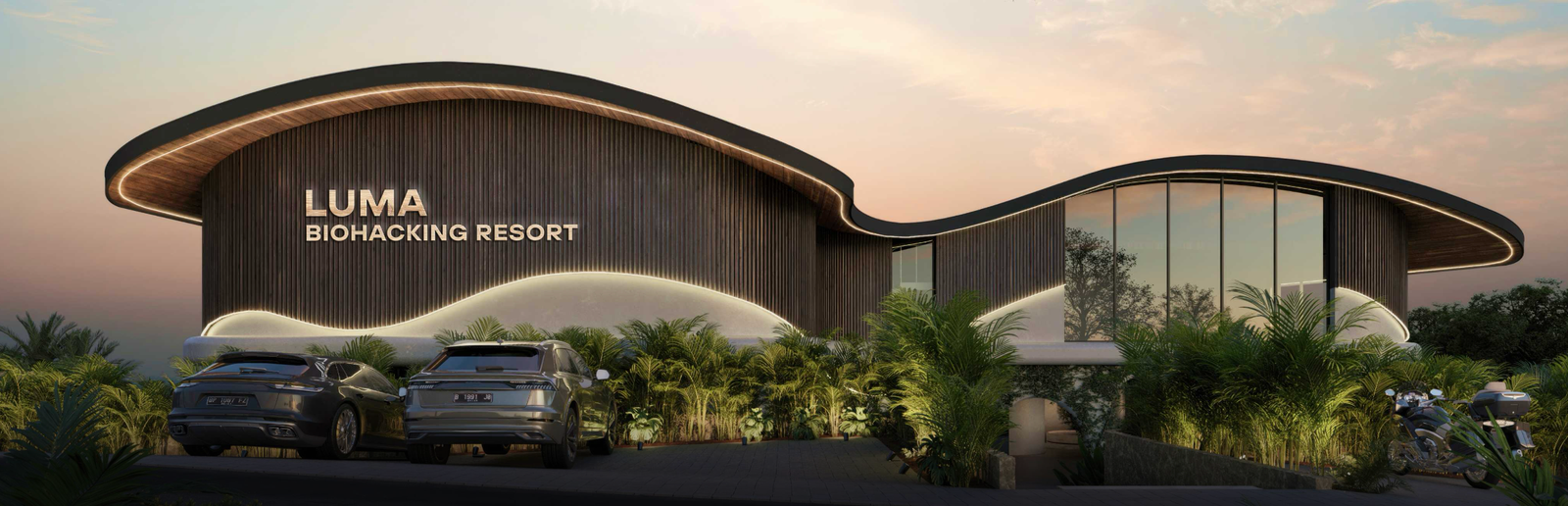
What Are Biohacking Hotels and Why Are Market Leaders Talking About Them?
In recent years, the investment real estate market has undergone a fundamental transformation. The classic “square meter” has been replaced by an economy of experiences and values. Biohacking hotels have become one of the most promising and highly profitable sectors—a format that combines luxury vacations, preventive medicine, and innovative technologies.
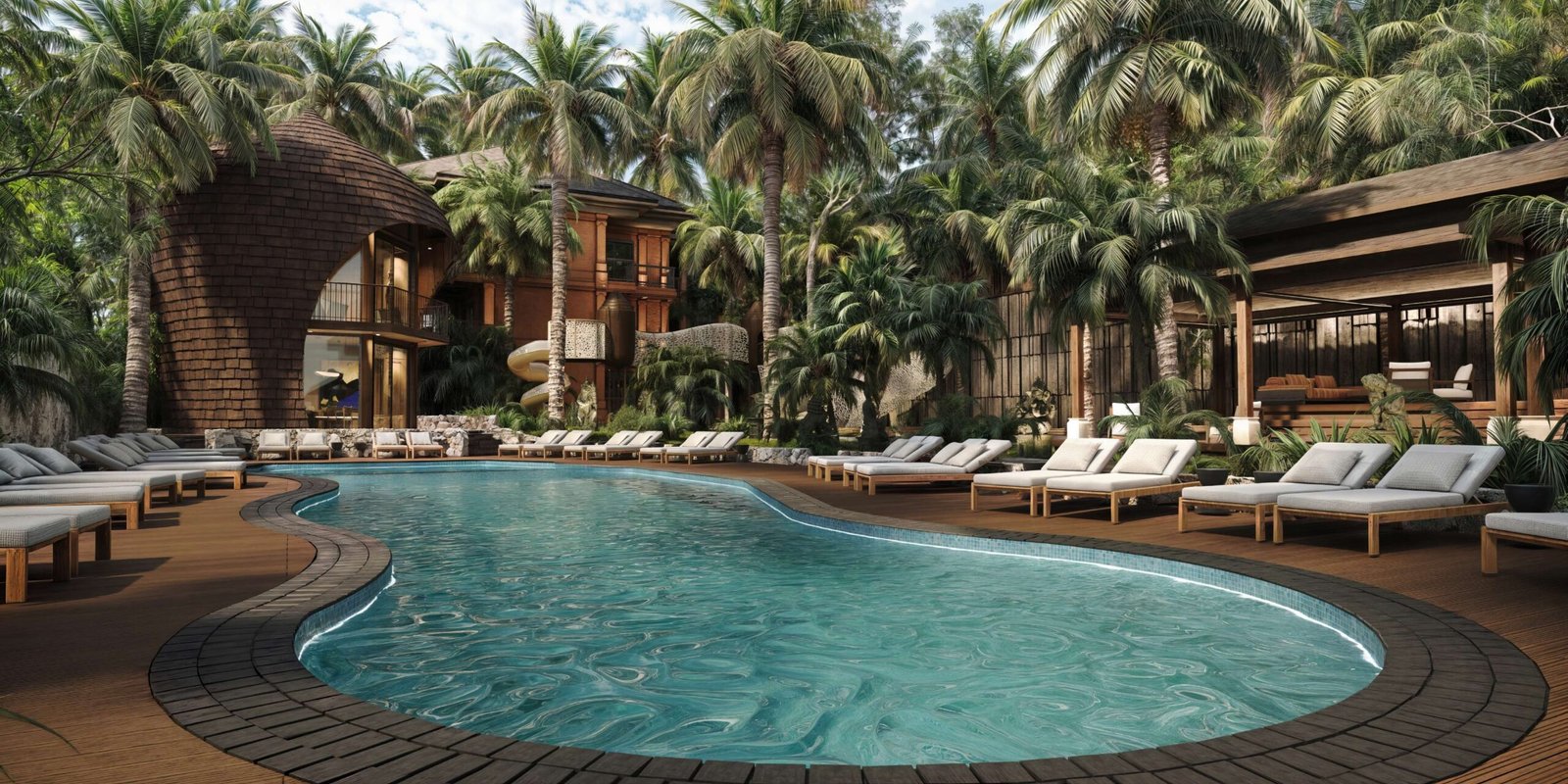
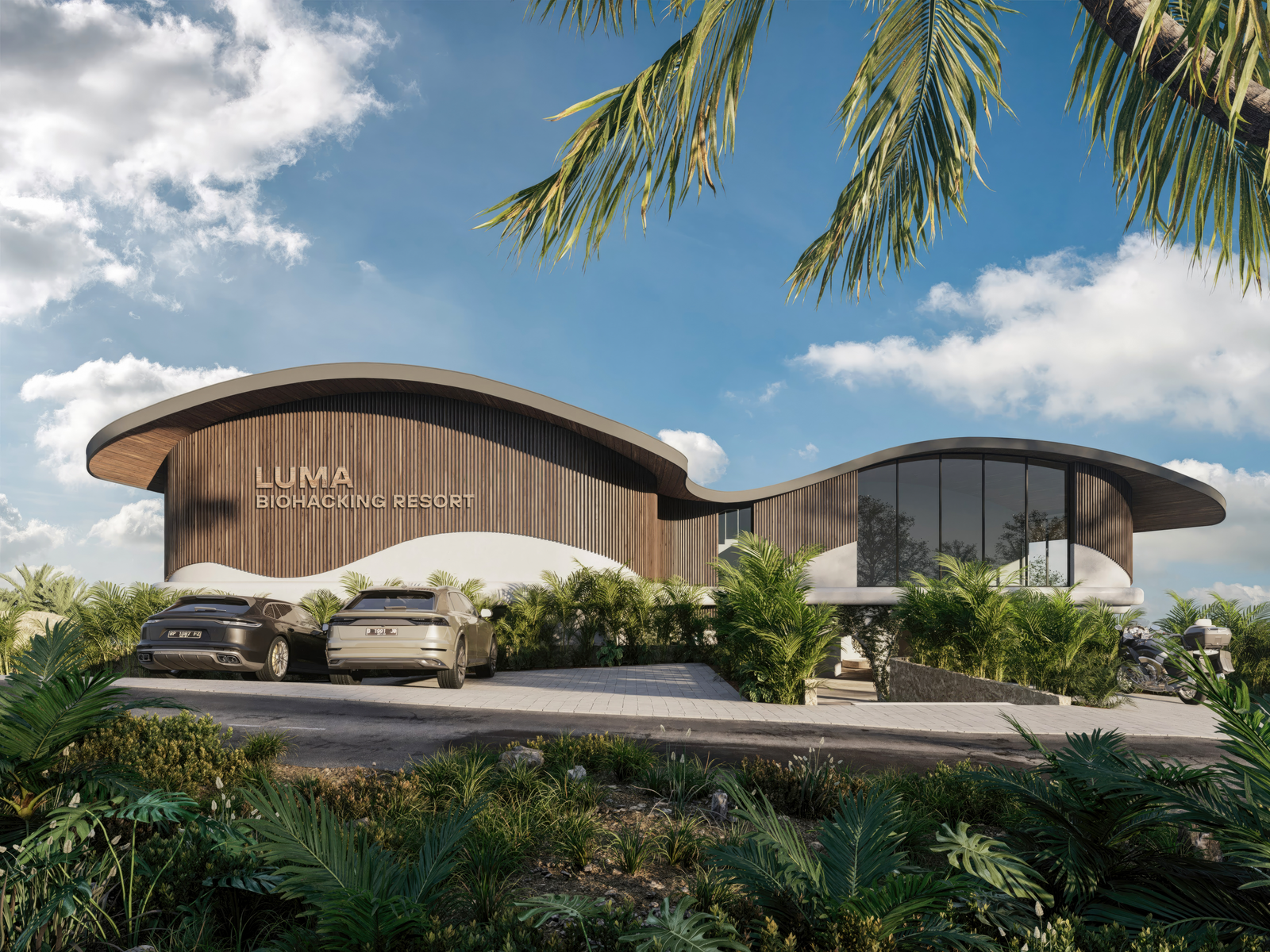
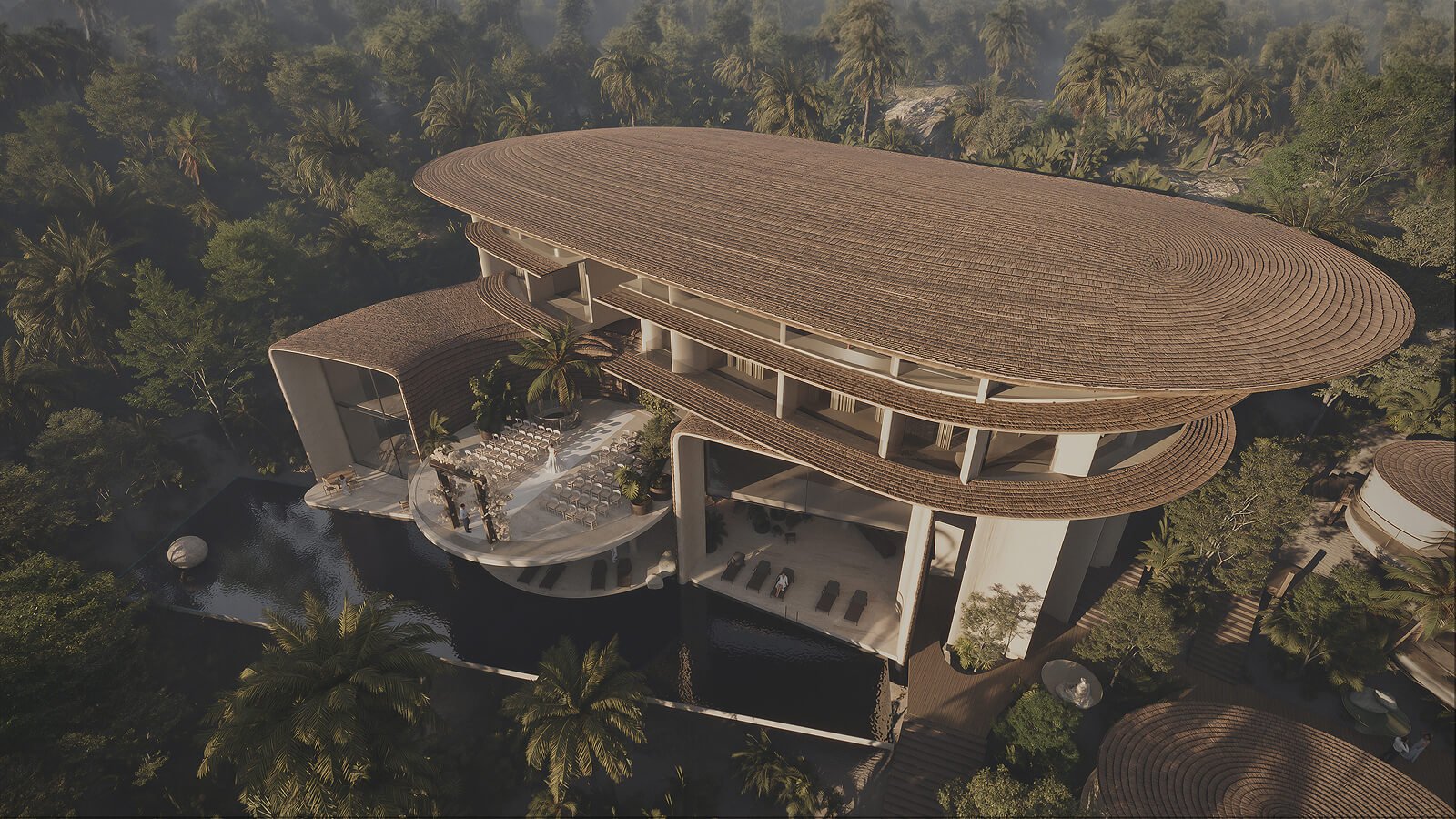
Today, investors are putting their money not just into a seaside location, but into a unique environment designed to restore human biological vitality. A biohacking hotel is a resort where accommodation is integrated with longevity programs, cognitive function optimization, and deep physical restoration. This format is particularly in demand in regions with a high concentration of health-conscious audiences, such as Bali and Phuket, where demand for premium wellness far exceeds supply.
The technological infrastructure: what’s inside a biohacking hotel?
To understand why this format generates higher profits, one must look at its internal structure. Unlike a typical spa, a biohacking hotel offers:
- Circadian lighting: systems that adjust the lighting in the room to the rhythms of melatonin production.
- Sleep as a service: military-grade soundproofing, hypoallergenic materials, and climate-controlled beds.
- Recovery 4.0: on-site cryochambers, hyperbaric oxygenation capsules, and IV therapy systems (vitamin drips).
- Data-driven diet: a menu created by nutritionists following a rapid blood test or the guest’s genetic test.
Why biohacking has become a global megatrend
The growing interest in biohacking is not a passing fad, but a response to the challenges of metabolic crisis and burnout in megacities. Today’s affluent audience (entrepreneurs, the IT sector, and top management) has realized that energy is the most important asset. This creates demand for “smart vacations,” where every day spent there boosts productivity.
Investing in this type of real estate allows entry into the medical tourism niche, which is projected to grow at a rate of 15–20% annually by 2026. By purchasing a unit in a biohacking hotel, an investor acquires a stake in a business at the intersection of Real Estate and HealthTech.
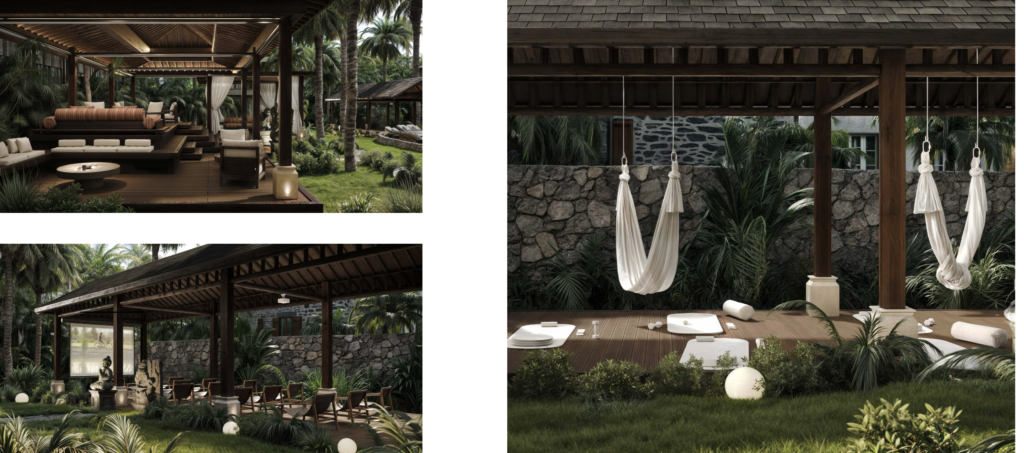
Profitability and Economics of the Format
From a financial model perspective, biohacking hotels demonstrate metrics unattainable by the traditional hotel sector:
- High Average Daily Rate (ADR): The cost of staying at such properties is 30–50% higher due to the uniqueness of the concept and the included basic procedures.
- Additional revenue streams: Up to 40% of the hotel’s revenue comes from medical programs, check-ups, and the sale of specialized supplements.
- LTV (Lifetime Value): Guests at these hotels become brand advocates, returning 2–3 times a year to maintain their health metrics.
For those considering real estate investments in Bali or Phuket, this format serves as a safe-haven asset: conceptual projects are always the first to fill up, even amid market turbulence.
Bali: A Mecca for Conscious Investing
Bali is the ideal testing ground for biohacking projects. The island already has a reputation as a global hub for retreats and yoga. However, by 2026, the audience has “matured” for a more scientific approach. Real estate in Bali’s Uluwatu or Changu areas, integrated with longevity centers, attracts digital nomads and investors from Australia, the U.S., and Europe. High liquidity here is supported not only by tourist traffic but also by the formation of a community of people focused on self-development.
Phuket: Stability and Medical Reputation
The Phuket market offers a different value proposition—a well-developed hospital infrastructure and legal transparency. Biohacking hotels in Phuket are often built in collaboration with international clinics. This makes real estate in Phuket attractive to the family segment and the 45+ demographic seeking long-term rejuvenation programs. For investors, this means stable passive income and minimal risks due to high-quality property management.
Conceptual projects as a driver of liquidity
By 2026, a “simple villa” will be a passive asset facing intense competition. A conceptual biohacking project is an asset with a unique selling proposition (USP). A unique idea creates a brand that generates traffic on its own through specialized biohacking communities and medical associations. This reduces marketing costs and increases the owner’s net profit.
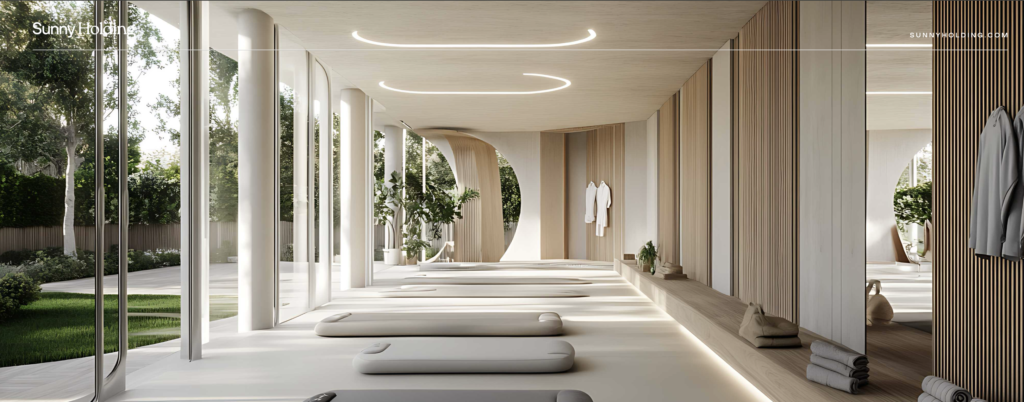
Risks and Professional Management
It is important to understand that a biohacking hotel requires complex operational management. The success of the investment depends on:
- The management company: It must possess expertise in both the hotel industry and the medical field.
- Certification: The presence of licenses for medical services.
- Engineering solutions: The quality of the air and water filtration systems incorporated into the project.
When selecting projects in Bali or Phuket, investors should prioritize developers who already have experience in implementing wellness infrastructure.
The Future of the Market: Where Are We Headed?
We are on the cusp of the era of “healthy buildings.” Over the next decade, biohacking hotels will transform into full-fledged residences designed for longevity. Those who invest in this segment today, in 2026, are entering the market during its active formation phase, securing the best locations and building a loyal customer base.
Biohacking hotels represent the pinnacle of investment real estate evolution. Combining cutting-edge technology, preventive medicine, and impeccable service, they offer investors something that cannot be undervalued—health and time. Real estate in Bali and Phuket in this format is not only a way to diversify your portfolio but also an opportunity to become part of the industry of the future, where every dollar invested works to improve quality of life.