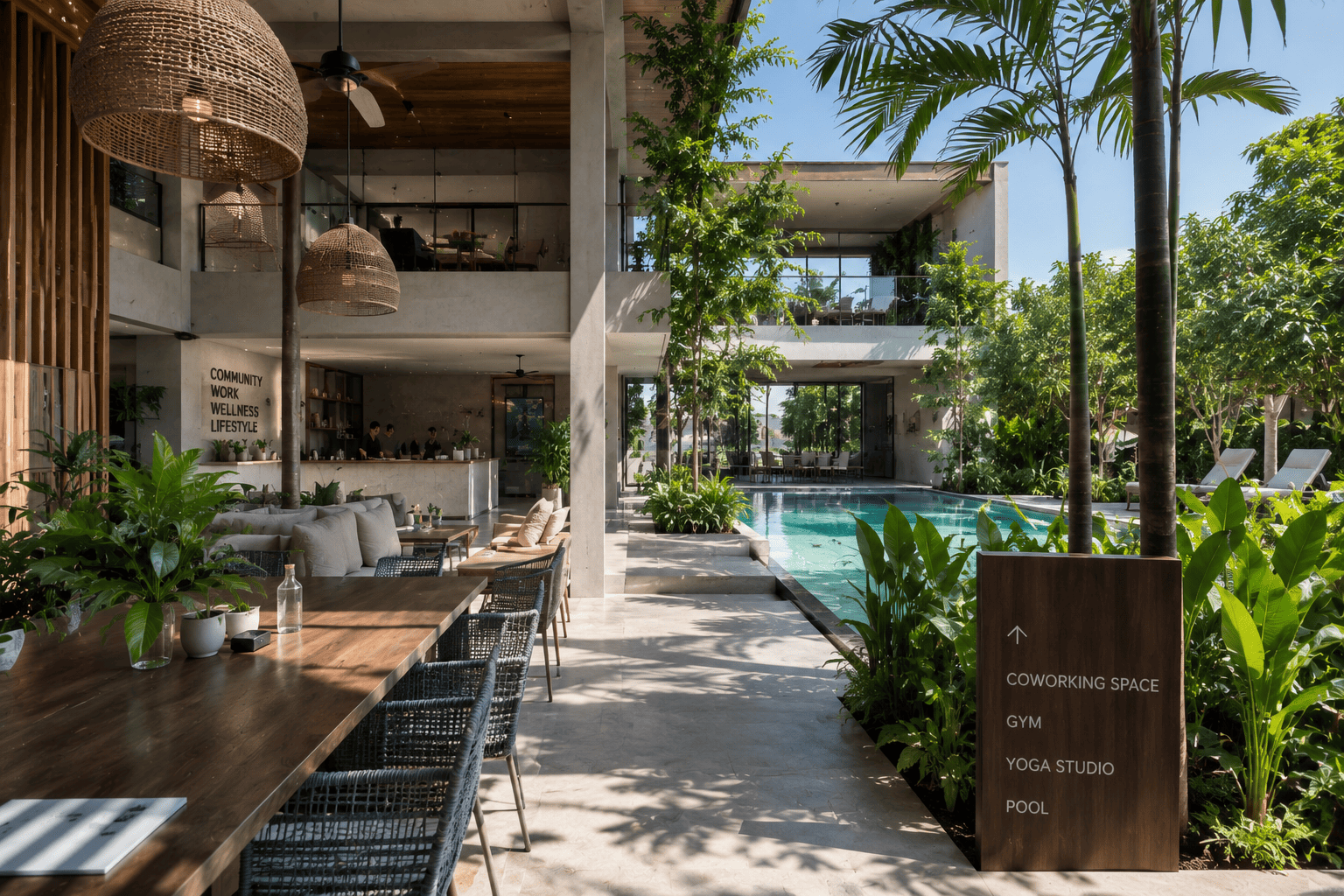
By 2026, Bali’s investment property market had entered a phase of intense competition among different concepts. The days when one could buy any villa at the foundation stage and be guaranteed double-digit returns are long gone. Today, the savvy investor seeks projects with a unique selling proposition (USP) that are protected from market oversaturation.
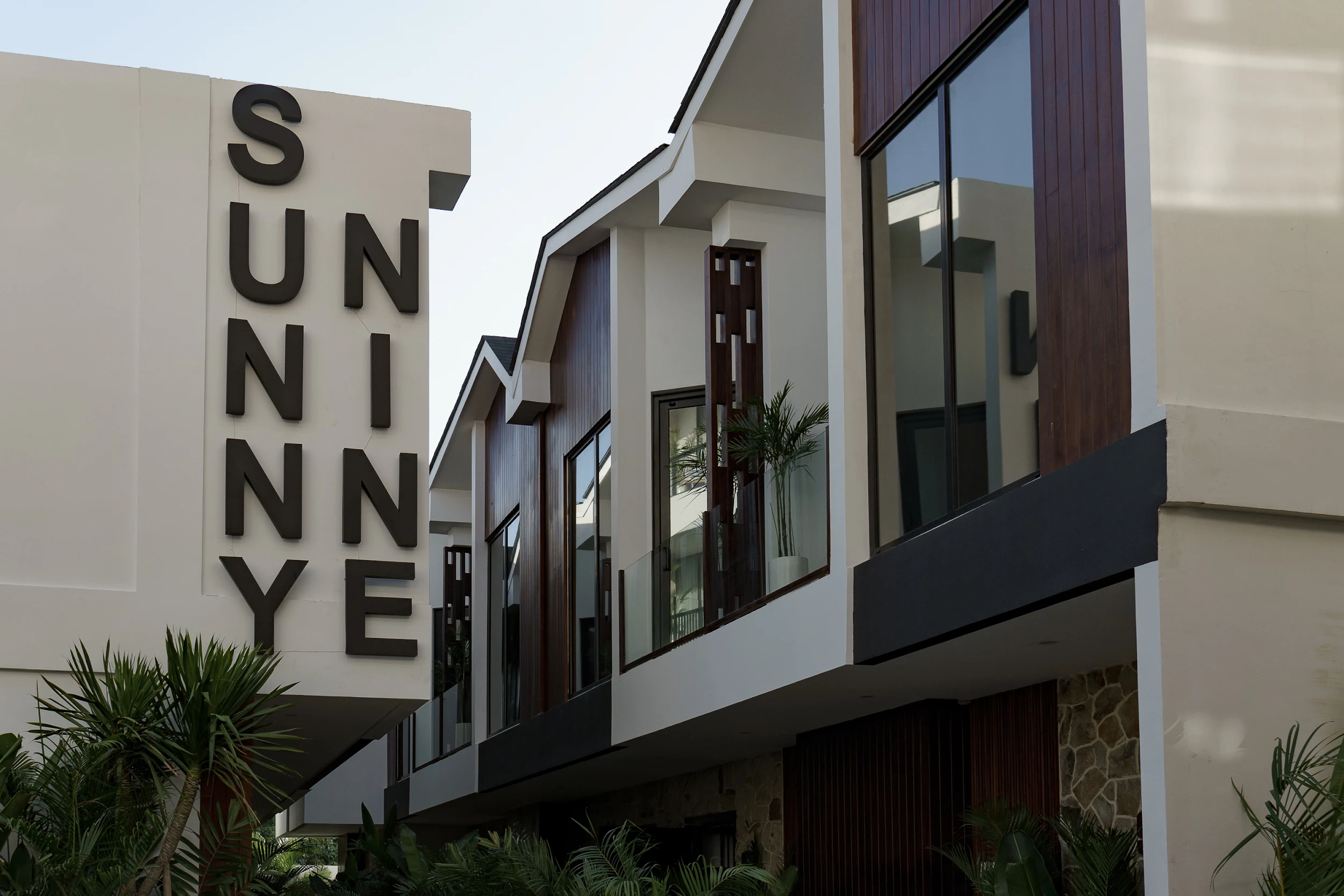
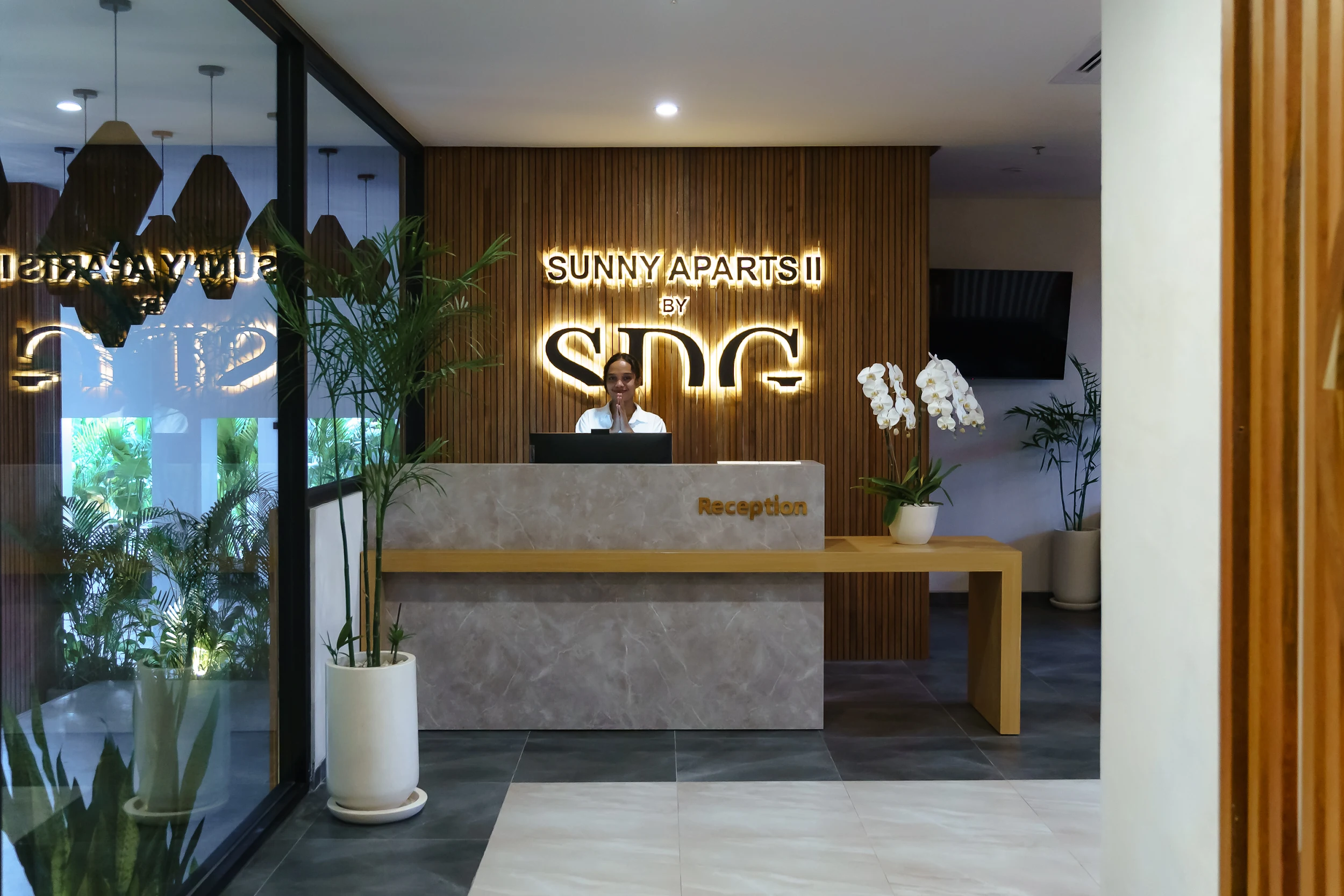
While most developers continue to build cookie-cutter apartments in Canggu, Sunny Holding has opened up a completely new, highly profitable, and competitor-free niche for investors. The Amara Wedding Resort project is the answer to the long-standing lack of quality infrastructure for event tourism on the island.
In this article, we’ll take a detailed look at why a specialized wedding resort is exactly the asset the Bali tourism sector has been waiting for.
1. The Hidden Giant: The Economy of Wedding Tourism in Bali
Bali consistently maintains its status as one of the world’s top destinations for destination weddings. Every year, thousands of couples from Australia, Europe, the U.S., and Asia fly here to hold their ceremonies against the backdrop of ocean sunsets.
However, for years, organizers of large-scale events have faced a serious logistical challenge:
- Standard villas are not equipped to accommodate 50–100 guests (they lack professional sound systems, banquet areas, and enough rooms to house all relatives).
- Chain five-star hotels are too public—it’s impossible to achieve a sense of complete privacy there, and hosting loud parties is often restricted by strict hotel rules for other guests.
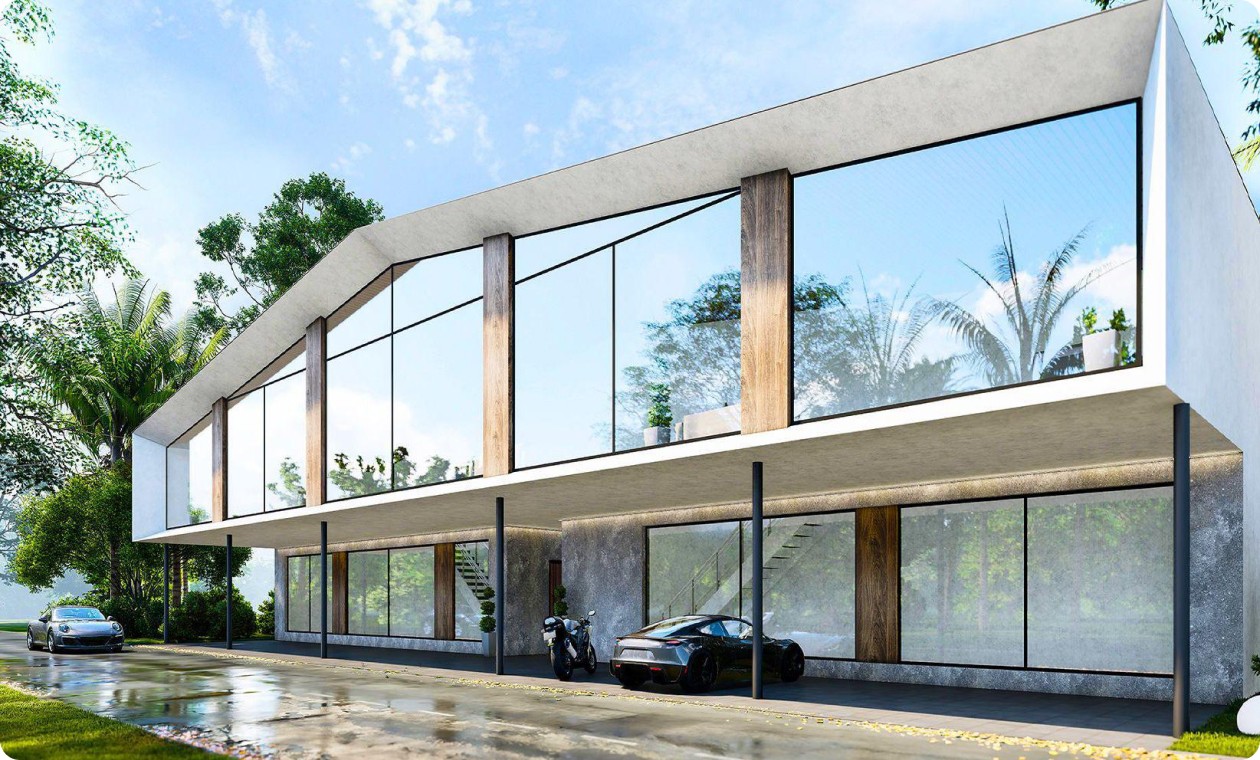
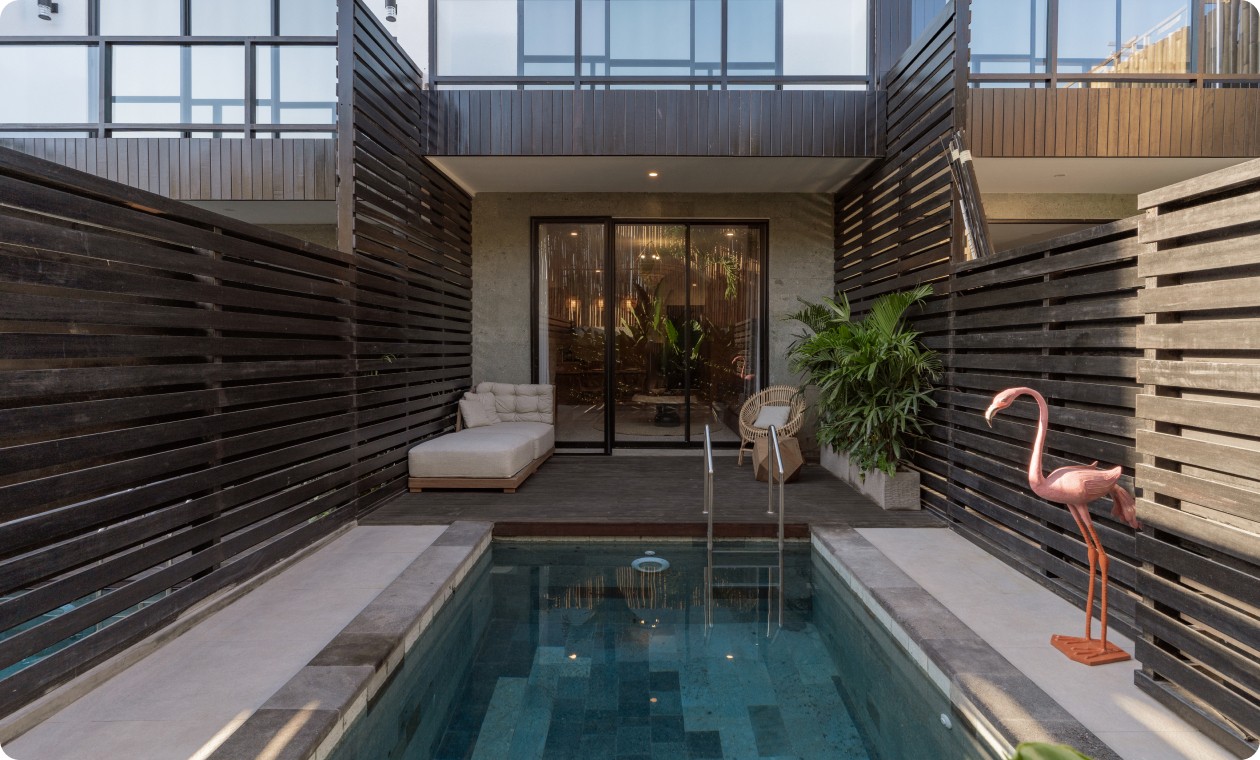
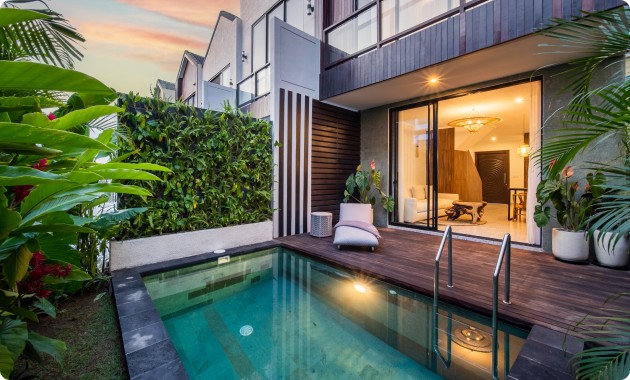
Amara Wedding Resort solves this problem entirely by combining a luxurious five-star hotel, professional event venues, and the seclusion of a private resort under a single concept.
2. The “Event-Driven” Model: Why an Event Hotel Is More Profitable Than a Conventional One
The main pain point for any property owner in Bali is seasonality and dependence on fluctuations in tourist traffic. Amara Wedding Resort operates on a completely different financial model—Event-Driven.
Bulk Booking
In a typical hotel, the management company competes for every individual tourist booking a room for 2–3 days. In the case of a wedding resort, a single wedding secures a booking for the entire complex or a large block of villas for 4–6 days at once. Dozens of guests arrive with the couple, paying for accommodations, restaurants, the spa, and additional hotel services.
Predictability and depth of bookings
Weddings are not planned spontaneously. The event schedule at Amara Wedding Resort is set 12–18 months in advance. For investors, this means a guaranteed occupancy rate and predictable passive income that does not depend on whether the current month is considered “high” or “low” season in Bali.
3. Amara Wedding Resort Infrastructure: All-Inclusive for the Perfect Day
The success of Sunny Development Group’s Amara project stems from the fact that every square foot of space here is designed with the requirements of the premium wedding industry in mind:
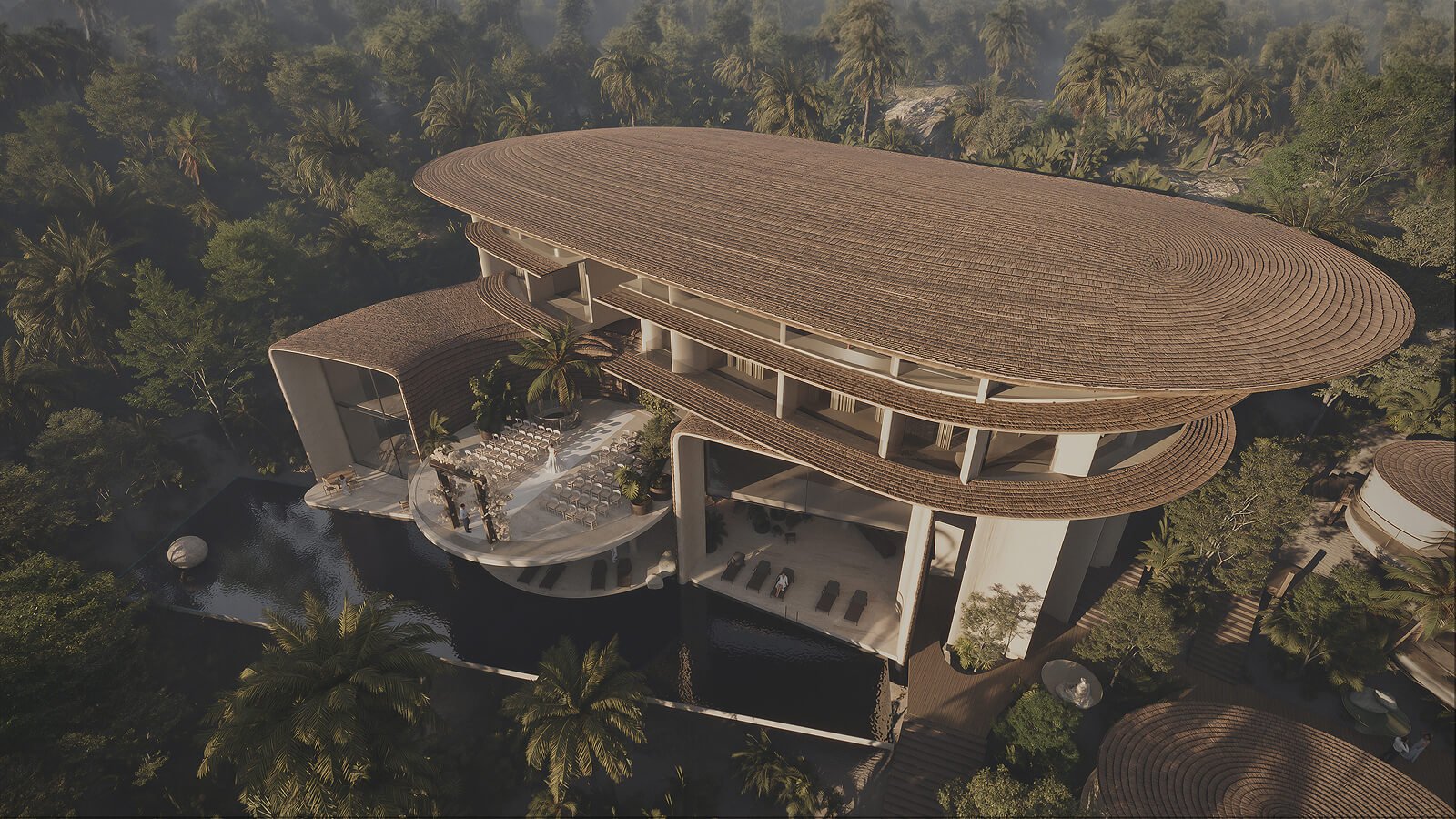
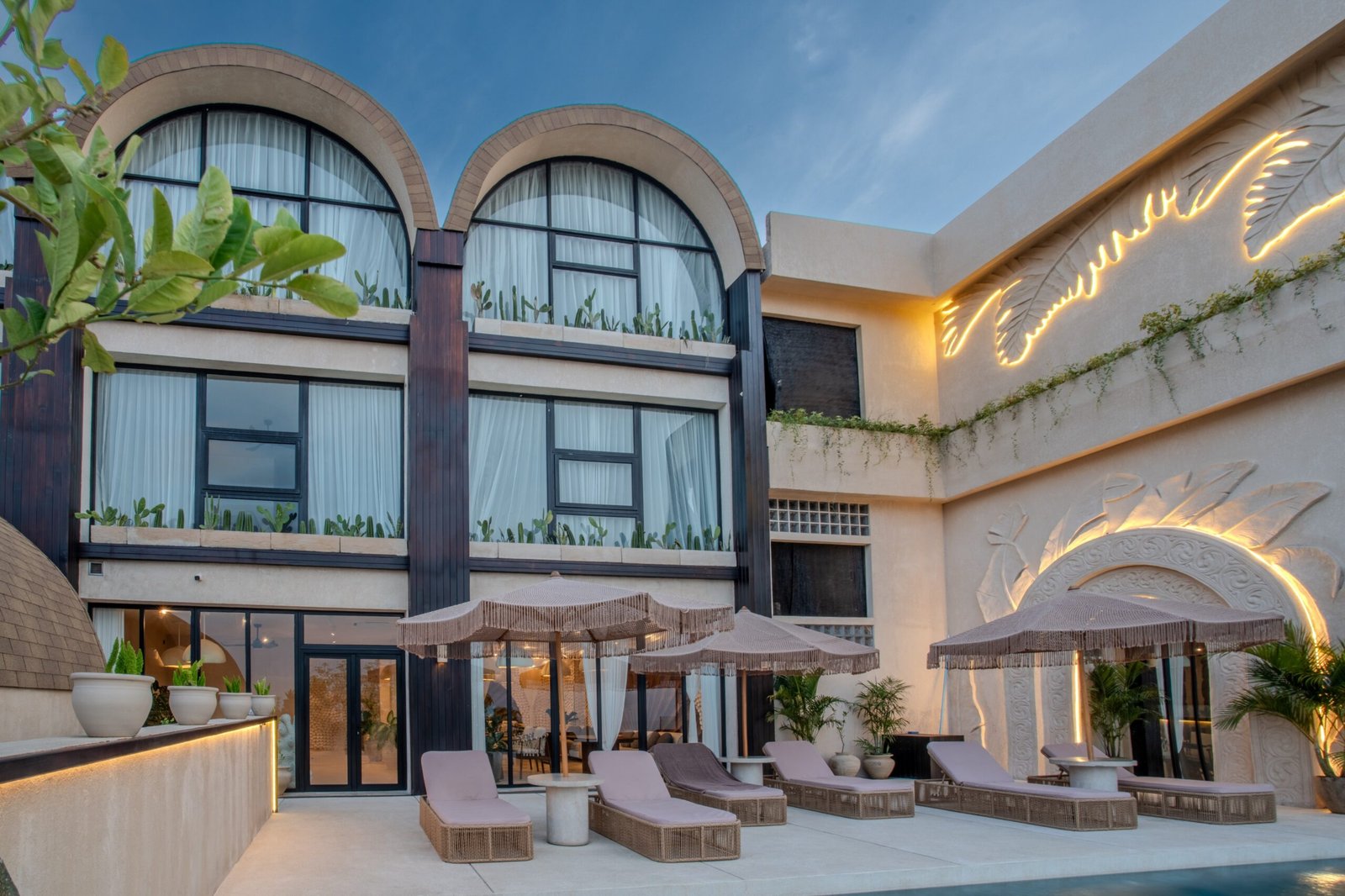
- Iconic ceremony venues: Panoramic terraces overlooking the ocean, altars floating above the water, and tropical gardens that create the perfect backdrop for photo shoots.
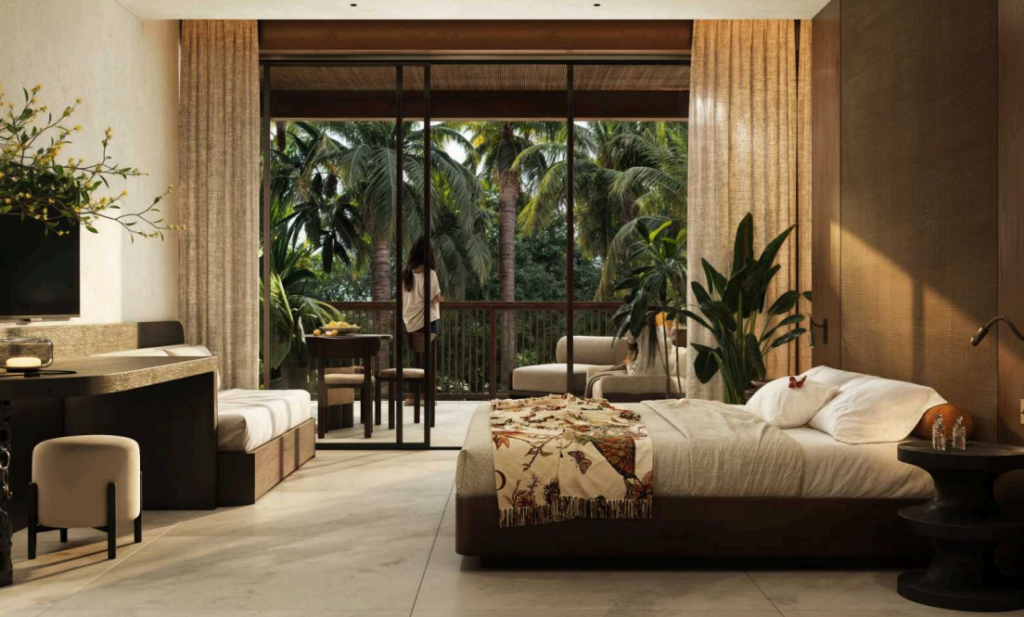
- Bridal Villas: Specialized suites with an expanded bridal preparation area, professional lighting for makeup, and secluded lounge areas.
- Professional backstage facilities: Dedicated kitchens for off-site catering, dressing rooms for performers, and technical areas for florists and decorators, all hidden from guests’ view.
This level of detail allows the hotel to set a higher ADR (average daily rate) for accommodations and venue rentals, which directly translates into high returns for unit owners.
4. Developer and Management: Synergy of Reliability
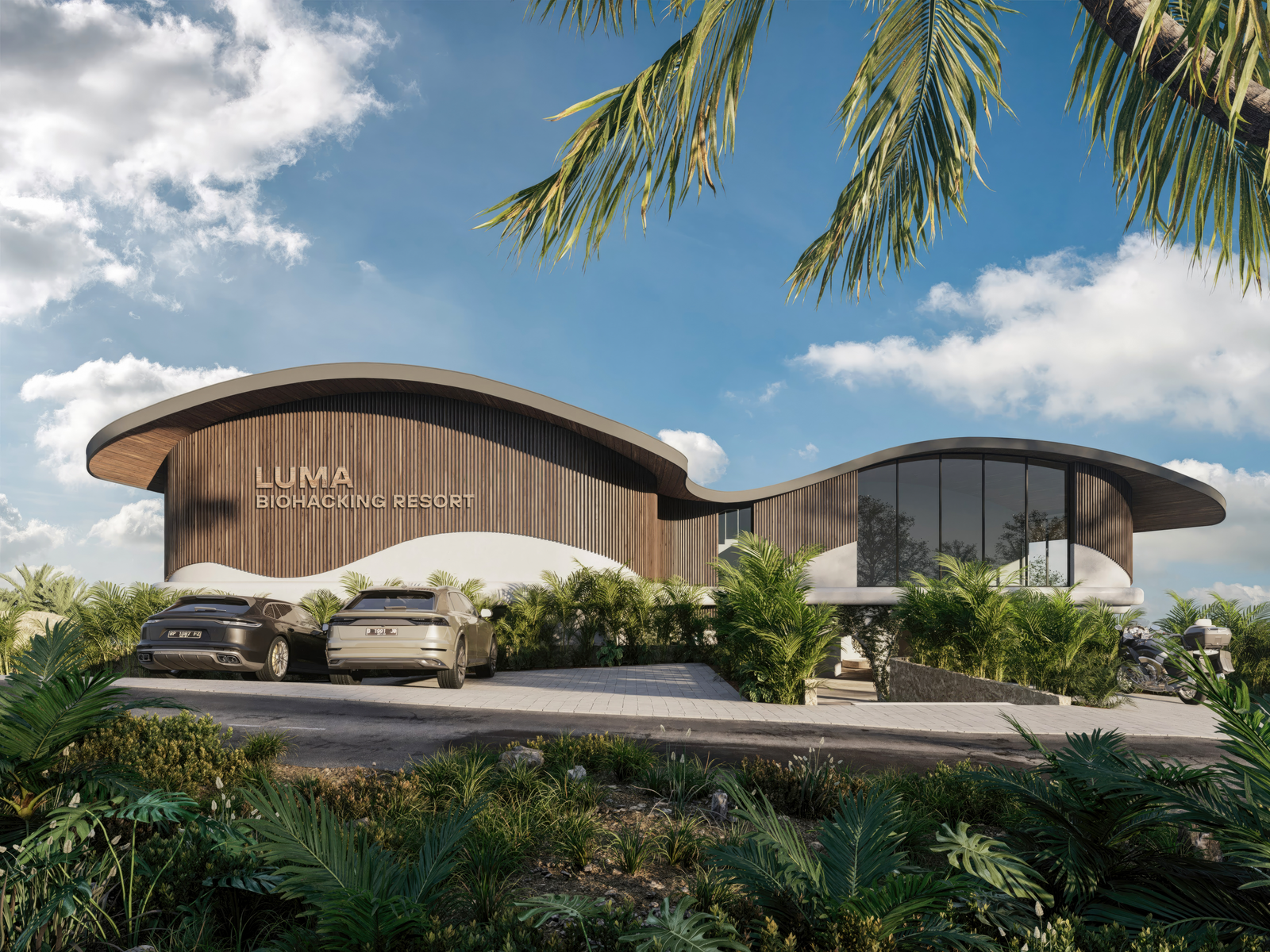
Investing in conceptual real estate abroad requires a strong operator. Sunny Holding, a developer known for its innovative projects (such as the Luma Biohacking Resort), brings in a specialized international hotel management company with deep expertise in event management.
The management company handles the entire cycle: from global marketing and working with wedding agencies around the world to the technical maintenance of the villas. The investor receives pure passive income, completely detached from operational processes.
5. Financial Metrics for Investors in 2026
Performance Comparison: Amara Wedding Resort vs. a Standard Villa
- Average occupancy (Yearly Occupancy): While a typical villa in Changgu or Seminyak has an occupancy rate of 65–70%, a unit at Amara Wedding Resort achieves a stable occupancy rate of 80–85% throughout the year thanks to bulk bookings for events.
- Revenue streams: The owner of a standard property earns income exclusively from renting out living space. At Amara, the investor’s income is generated through a comprehensive approach: in addition to rent, the return on investment includes profits from catering, spa programs, and hosting large-scale events.
- Projected ROI: The traditional rental business in Bali yields an average of 9–11% annually for owners. Amara’s unique event resort format allows for an increased return on investment of 14–17% annually.
- Protection from Competition: The Bali market is saturated with thousands of similar villas, forcing owners to undercut prices during the off-season. Amara Wedding Resort enjoys absolute protection from competition—it is the only specialized resort on the island that fully caters to the needs of wedding and event tourism.
Amara Wedding Resort is not just a purchase of seaside real estate; it is a purchase of a stake in a high-margin business that capitalizes on emotions and major life events. In 2026, when the Bali market demands clear differentiation, investing in Sunny Holding’s wedding resort represents one of the most sustainable and profitable strategies, offering a short payback period and high potential for capital appreciation.