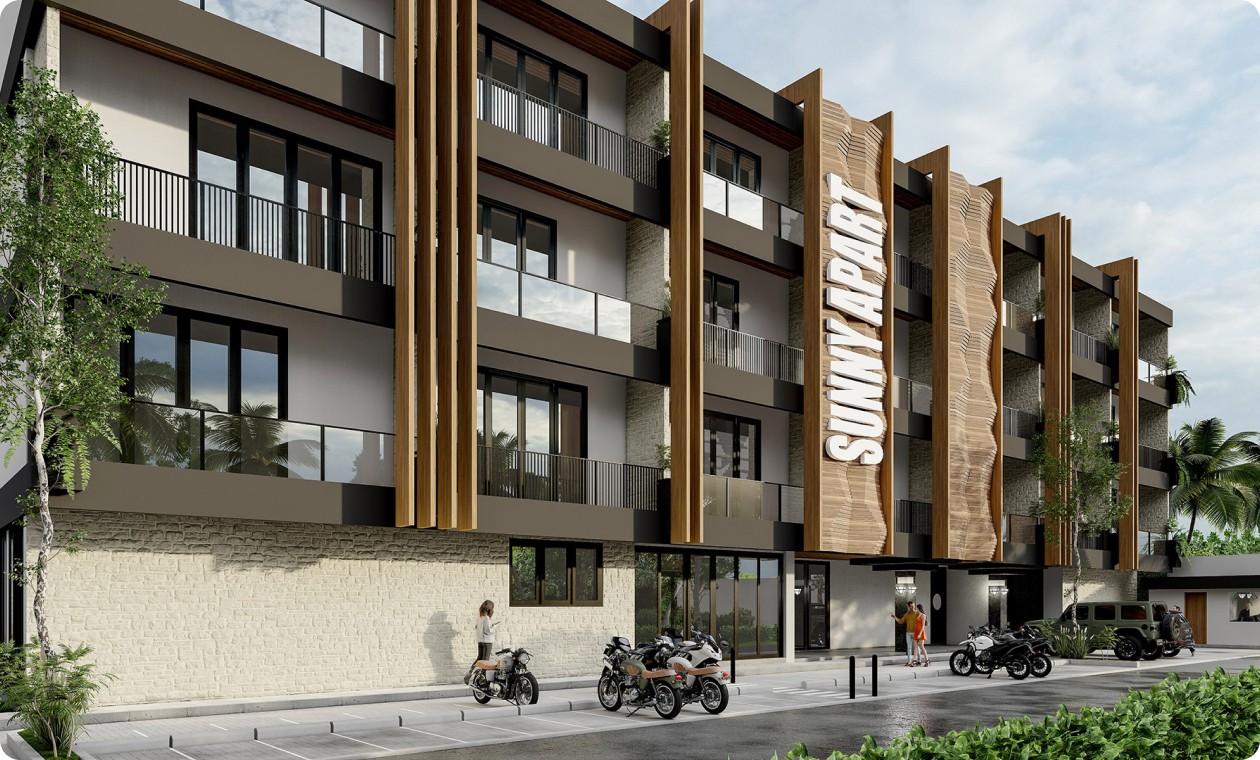

Investing in foreign real estate is becoming an increasingly popular tool for capital diversification. Investors are paying particular attention to the markets of Southeast Asia. A stable tourist flow, a growing economy, and a relatively affordable entry threshold make the region attractive for long-term investments.
Among the most discussed destinations today are Thailand and Vietnam. Both markets are actively developing, offering resort real estate by the sea and attracting international investors. But when it comes to the practical question of where it is better to buy real estate—in Thailand or Vietnam—it is important to consider not only prices, but also legal features, property liquidity, rental demand, and long-term market prospects.
Economic dynamics and market development
The real estate markets of Thailand and Vietnam are often compared, but their stages of development differ significantly. Thailand is considered a more mature and established real estate market in Southeast Asia. The country’s tourism industry has been developing for several decades, and during this time a full-fledged infrastructure has formed around it: international developers, management companies, real estate agencies, service companies, and clear transaction mechanisms.
Tourism remains one of the key drivers of the country’s economy. Before the pandemic, Thailand welcomed around 40 million tourists annually, and after the recovery of the tourism sector, the flow is growing rapidly again. This scale creates a steady demand for short-term rentals and resort real estate.
The market in Phuket, which has long been an international center for resort real estate, is developing particularly actively. Residential complexes, villas, and residences aimed at foreigners are being built here. The island has international schools, medical centers, yacht marinas, and large infrastructure projects. All this makes the real estate market more predictable and liquid.
Vietnam, on the other hand, is at an earlier stage of development. The country’s economy is growing rapidly — in recent years, Vietnam’s GDP has increased by an average of 6–7% annually. This is one of the highest rates in the region. The development of industry, export production, and tourism is gradually increasing interest in real estate.
Resort cities such as Nha Trang are actively developing and beginning to attract international investors. New hotels, residential complexes, and resort residences are being built here. However, the real estate market is still in its infancy. Legislation is changing, development projects vary in quality, and infrastructure is only beginning to catch up with more developed tourist destinations in the region.
This is why many investors view Thailand as a more stable market and Vietnam as a destination with potential growth but a higher level of uncertainty.

Legal aspects of buying real estate
The legal structure of real estate ownership is one of the key factors that investors consider when choosing a country. Even attractive returns lose their meaning if property rights remain uncertain.
In Thailand, foreigners cannot directly own land, but the law offers several clear mechanisms for owning real estate. The most common option is to buy apartments in condominiums. According to Thai law, foreigners can own up to 49% of the space in such a project. This rule has been in place for many years and is well known to the international market.
For villas and houses, long-term forms of ownership are usually used, such as long-term land leases or corporate structures. Despite the restrictions, the Thai real estate market has long adapted to working with foreign investors, and legal procedures have become quite transparent.
In Vietnam, foreigners can also purchase real estate, but the rules here are more complex. Purchases are only possible in certain projects approved by the state, and there is a restriction on the share of foreign ownership in a building or area. In addition, ownership rights are usually granted for a period of about 50 years with the possibility of renewal.
This system does not make investment impossible, but it does add a factor of uncertainty. It is precisely this legal stability that often becomes one of the arguments in favor of Thailand, especially for investors who view real estate as a long-term asset.
Yield and rental market
Real estate yields are directly linked to tourist flows and international demand. In this respect, Thailand has a noticeable advantage thanks to its more developed tourism industry.
The country’s resorts attract millions of travelers every year. Even after the pandemic, tourist traffic is actively recovering. This scale of tourism creates a stable short-term rental market, especially in popular destinations.
For example, in Phuket, real estate is actively rented out not only to tourists, but also to expats, entrepreneurs, and remote professionals. Many investors use a hybrid model: short-term rentals during the tourist season and long-term rentals for island residents.
On average, the gross yield of resort real estate in popular areas of Thailand can range from approximately 6-10% per annum, depending on the location, level of the property, and management efficiency.
In Vietnam, the tourism sector is also actively developing, but the rental market is still less mature. In a number of resort towns, a significant part of the demand is generated by domestic tourism, while the international flow is only gaining momentum.
This affects the yield structure. Some projects are focused on the hotel model or management programs from the developer, which may limit the investor’s flexibility.
Therefore, when answering the question of where it is better to buy rental property — in Thailand or Vietnam — investors often consider Thailand to be a more predictable market with stable demand.
Property prices and entry threshold
One argument in favor of Vietnam remains its lower entry threshold. In some resort regions, real estate prices can be significantly lower than in popular tourist areas in Thailand.
For example, in some projects in Vietnam, apartment prices can start at around $80,000–120,000. For many investors, this seems like an attractive entry point into the market.
However, a lower price does not always mean a more profitable investment. The cost of the property is only one factor. It is important to consider the liquidity of the property, the stability of demand, and the development prospects of the area.
Prices are higher in Thailand, especially in resort locations. In Phuket, the cost of modern apartments in new projects can start at around $150,000–200,000, and villas are significantly more expensive. However, the market is more mature, and demand from foreign buyers remains stable.
In the long term, real estate in a more developed market sometimes proves to be more profitable, even with a higher entry price.
Infrastructure and quality of life
For investors who view real estate not only as a financial asset but also as a potential place to live, infrastructure and overall quality of life are important factors.
Thailand has long established an ecosystem geared towards the international community. Major tourist regions have international schools, modern medical centers, restaurants serving international cuisine, shopping malls, and service companies.
This is why many expats choose the country for long-term residence. In places like Phuket, you can do business, raise children, and enjoy international-level medical services.
Vietnam is actively developing and gradually improving its infrastructure. Large cities are showing rapid growth, with new transport projects, hotels, and residential complexes appearing. However, in a number of resort regions, the infrastructure is still inferior to that of Thailand.
Over time, this gap is narrowing, but today the difference in infrastructure levels remains one of the factors that investors consider when choosing a country.
Market growth potential
Vietnam is attractive to investors focused on long-term growth. Rapid economic and infrastructure development could lead to a significant increase in property values in the future.
Thailand, on the other hand, offers a more predictable model. The market here is already established, and value growth is more gradual but stable.
Therefore, the choice often depends on the investment strategy. Vietnam may be suitable for investors who are willing to take greater risks for potential growth. Thailand is more often chosen by those who seek a balance between stability, profitability, and liquidity.
What should an investor ultimately choose?
When answering the question of whether Thailand or Vietnam is the better place to buy real estate, it is important to consider the investor’s goals.
If the priority is stability, a developed rental market, and a clear infrastructure, Thailand remains the more reliable option. If the investor is willing to consider long-term growth potential and a younger market, Vietnam may be an interesting alternative.
Both countries continue to develop and attract international capital. But it is the combination of market maturity, stable demand, and developed infrastructure that makes Thailand one of the most popular destinations for buying real estate in Asia.