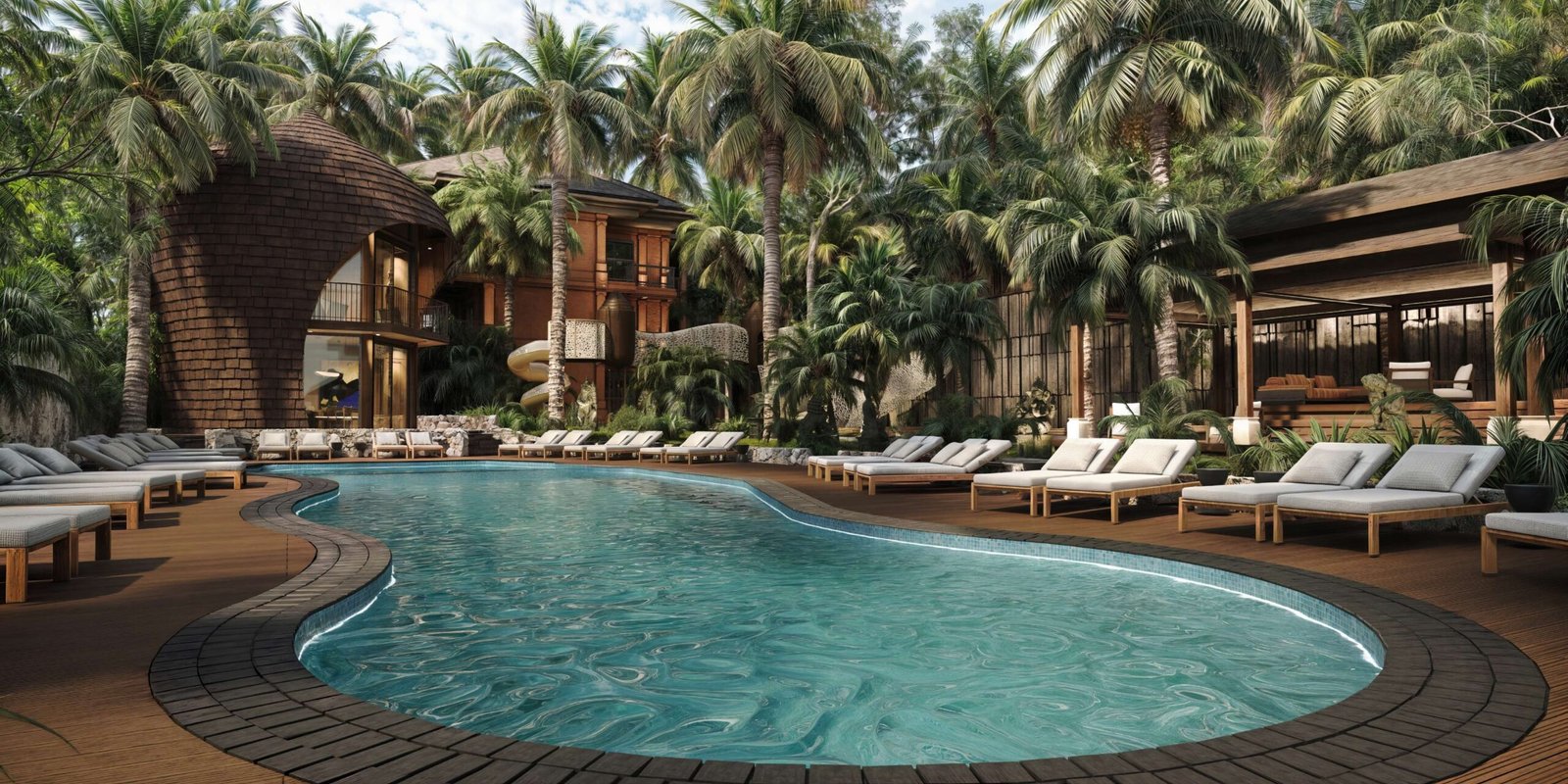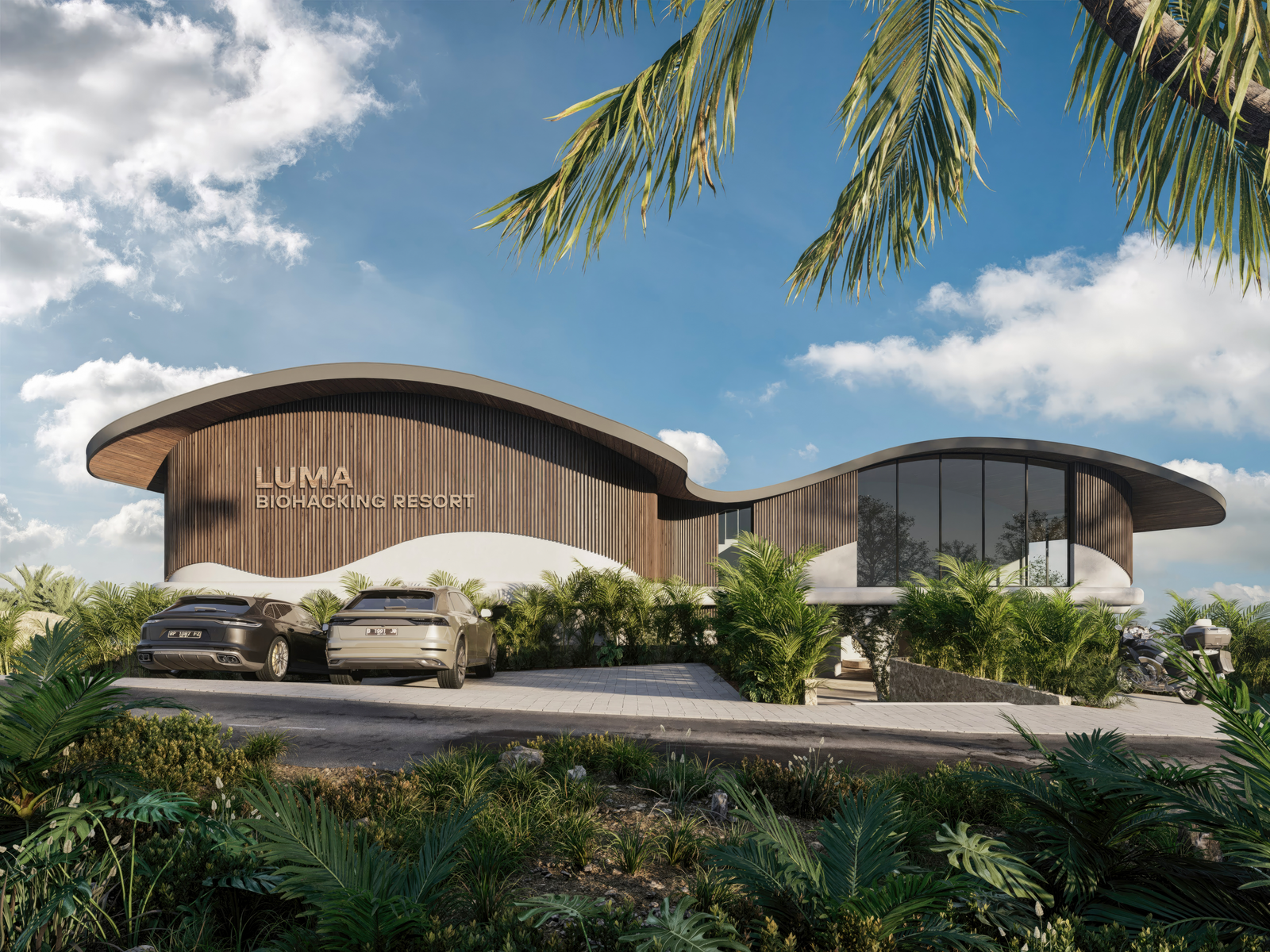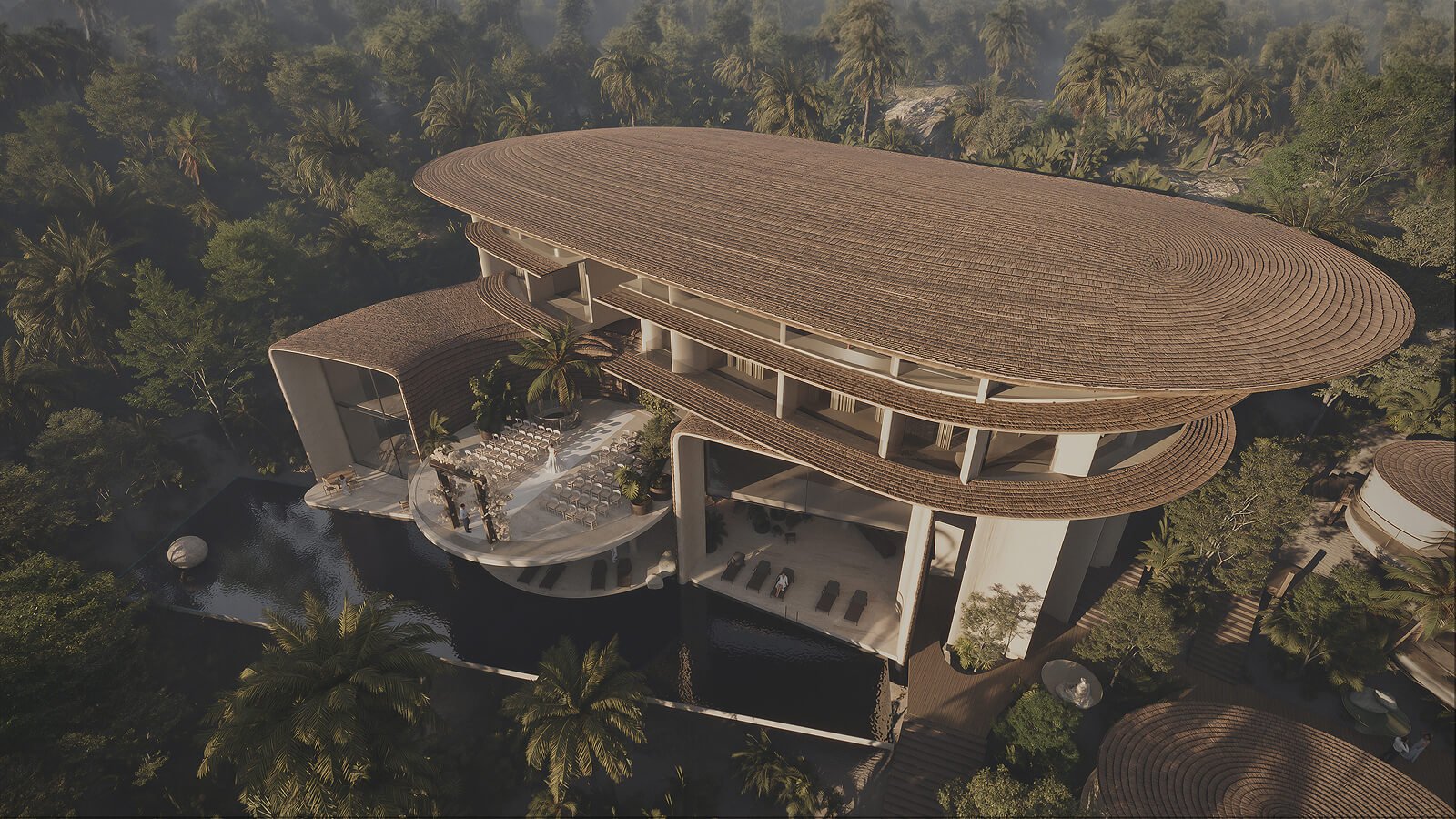
The wellness and longevity industry has definitively moved beyond being a niche sector and has become one of the fastest-growing segments of the global hospitality market. Against this backdrop, biohacking hotels are attracting increasing attention—a new format of commercial real estate that combines luxury service, preventive medicine, cellular regeneration technologies, and high investment potential.
Whereas private investors previously focused primarily on traditional resort properties, the focus is now shifting toward concept-driven real estate. This trend is particularly evident in popular destinations such as Bali and Phuket, where wellness culture has become a key driver of the tourism economy and demand for premium housing.
In 2026, market leaders view investments in biohacking hotels as a strategic tool for building a sustainable asset portfolio with guaranteed protection against inflation.
What Are Biohacking Hotels and Why Is the Market Growing?
A modern biohacking hotel is not just a luxury resort with a standard spa area. Its concept is based on the principles of evidence-based medicine, preventive health management, and the radical extension of active life.
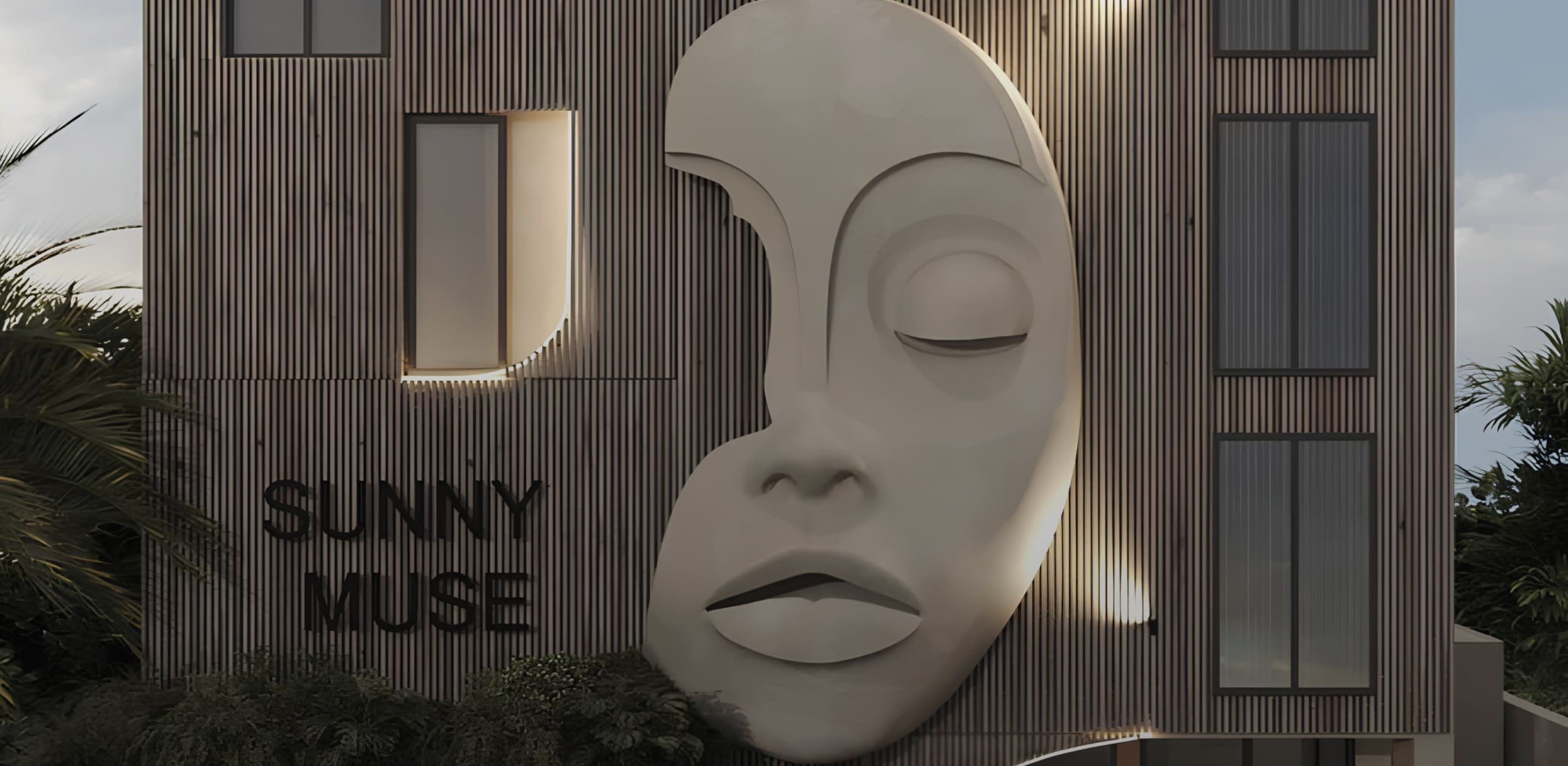
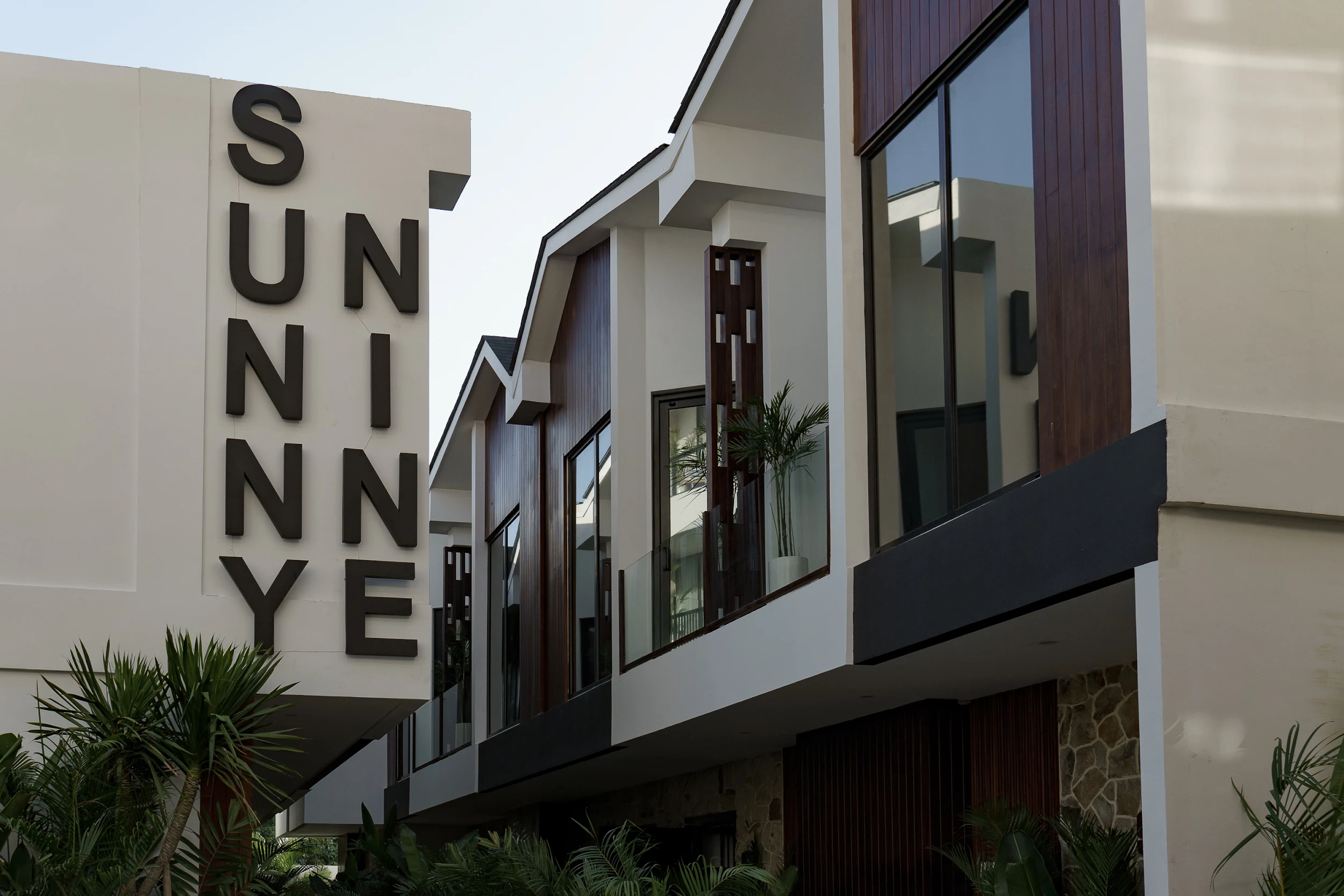
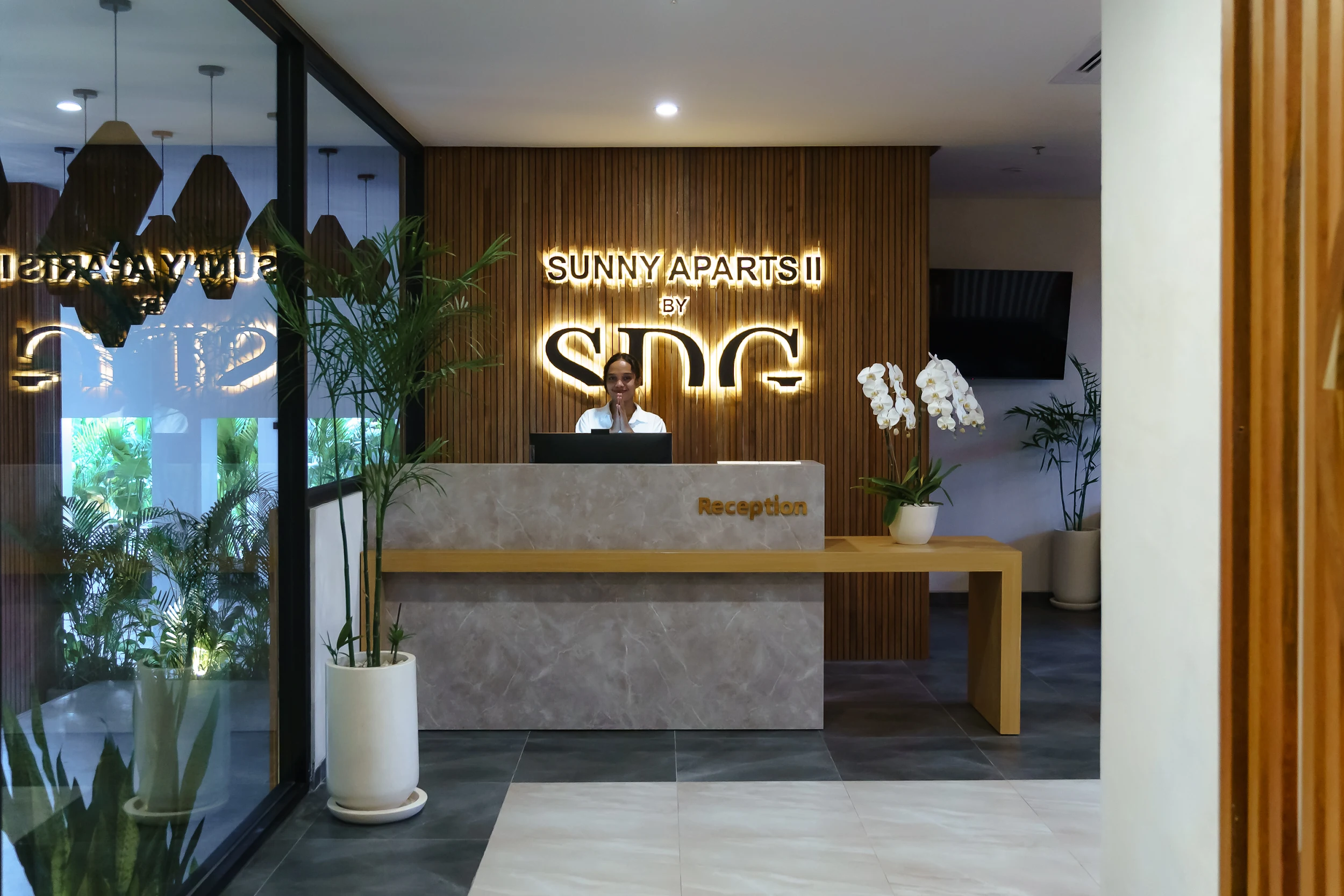
The true leaders in this market (such as projects by Sunny Development Group) integrate the following into their infrastructure:
- High-precision diagnostics (including DEXA body composition scans and genetic testing);
- Longevity and cellular regeneration programs (exosome therapy, stem cell therapy);
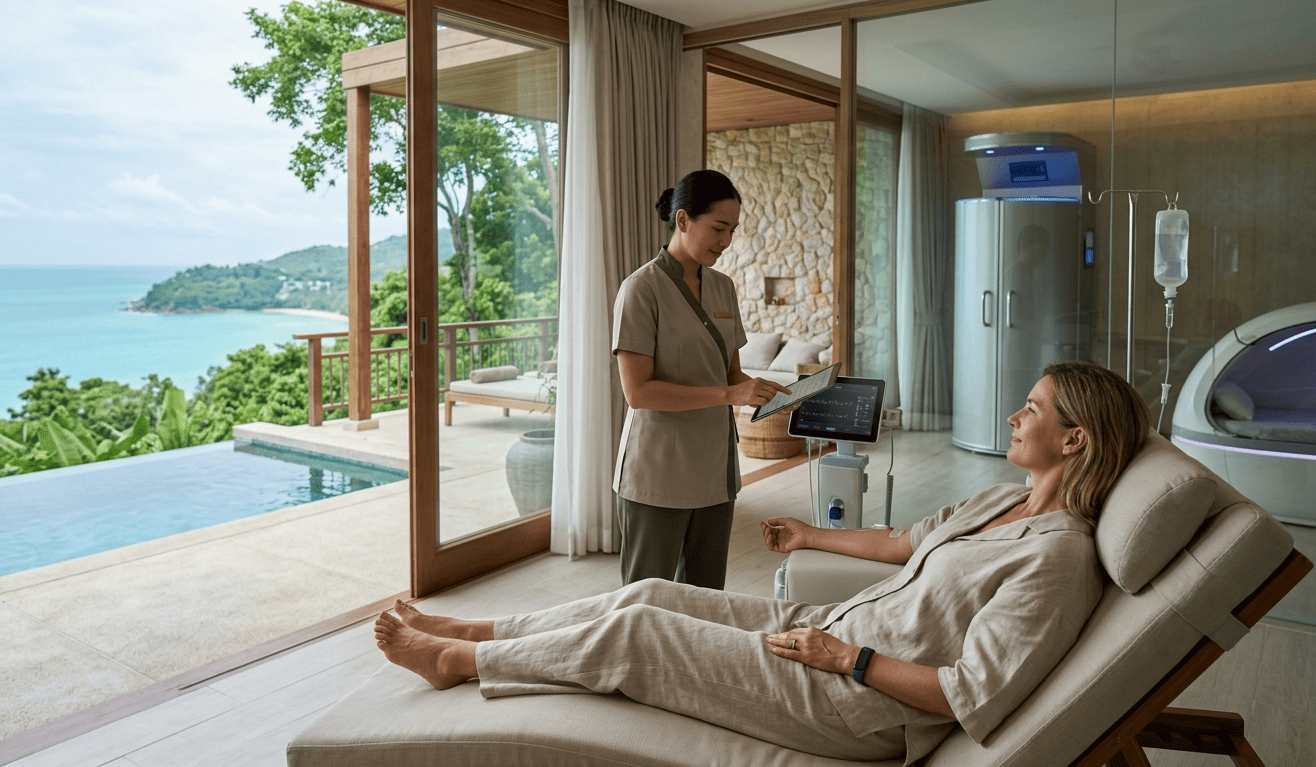
- IV therapy (personalized vitamin drips) and ozone therapy;
- Smart sleep monitoring systems (circadian lighting, air quality and acoustics control);
- Clinical nutrition and functional biomechanics.
Essentially, such a facility combines five-star hotel service with a state-of-the-art medical complex.
The growing popularity of this segment stems from a shift in mindset: the affluent audience—entrepreneurs, top executives, the IT elite, and digital nomads—no longer want to spend their vacations on passive relaxation. They want measurable results: restoration of cognitive capacity, elimination of burnout, and increased productivity. For these results, they are willing to pay a premium above market price.

Why investors are paying attention to biohacking real estate
From an investment perspective, biohacking hotels are attractive because they operate in a high-value-added segment.
The traditional hotel market largely competes on price, location, and service level. Biohacking projects create a completely different demand model. Guests come not just for a vacation, but for results: energy restoration, improved sleep, detox, anti-aging programs, or increased productivity.
This allows these properties to operate in the premium segment with a higher average check and longer guest stays.
Additionally, the wellness audience demonstrates a high level of loyalty. People who find an effective retreat or biohacking hotel often return and become repeat customers.
For investors, this means a more sustainable revenue model compared to the traditional tourism segment.
Revenue Generation for Biohacking Hotels: What Drives It
The main difference between biohacking hotels and traditional hotel real estate is the multi-channel revenue model. While a typical hotel earns revenue primarily from guest stays, biohacking hotels generate profit from several sources simultaneously, which significantly increases ROI and makes the property more resilient to seasonality.
The first source of revenue is unit rentals. Thanks to their unique wellness concept and focus on a premium audience, such complexes often maintain high occupancy rates even during the off-season. Guests come not only for relaxation but also for specific recovery programs, anti-aging therapies, detox, or to improve their quality of life.
Additional revenue is generated by wellness and medical services. In modern biohacking complexes, a significant portion of revenue comes from:
- check-up programs,
- IV therapy,
- cryotherapy,
- hyperbaric chambers,
- nutritional counseling,
- sleep recovery, and longevity programs.
In the premium wellness segment, these services can generate up to 30–40% in additional net profit, and their margins are often higher than those of standard hotel accommodations.
Another important factor is the increased length of stay (LOS). While a typical tourist stays for an average of 3–5 days, participants in wellness and biohacking programs often stay at the resort for 2–3 weeks. This reduces the costs of constantly attracting new customers and makes the facility’s occupancy more stable.
An additional advantage is the high level of audience loyalty. Guests who have benefited from wellness programs often return, creating a steady stream of customers.
For investors, this means more stable passive income, high occupancy rates, and a potential reduction in the payback period to 5–7 years—which is considered a strong indicator for premium real estate in the hospitality and wellness segments.
Why Bali and Phuket Are Becoming Hubs of the Wellness Industry
Bali and Phuket are currently considered among the most promising destinations for the development of biohacking real estate.
The reason is that these locations already possess the necessary environment:
- a warm climate,
- nature,
- an international community,
- a developed wellness culture,
- and demand from expats and digital nomads.
In Bali, wellness has long been part of the island’s identity. Yoga centers, retreats, eco-luxury projects, and a mindful lifestyle form an audience that naturally integrates into the biohacking concept.
Phuket is developing slightly differently—through premium lifestyle and medical tourism. Here, the market is complemented by developed infrastructure, international clinics, and a high level of service.
For investors, this creates a favorable environment: the audience already exists, and demand continues to grow.
Key risks of investing in biohacking hotels
Despite the high potential, investing in wellness real estate requires a careful approach.
The main risk is a superficial concept. Many projects use the term “biohacking” solely as a marketing tool, without having a real medical and wellness infrastructure.
As a result, the property may fail to build a loyal customer base and lose its competitive edge.
Furthermore, the success of a biohacking hotel directly depends on the team of specialists. Without preventive medicine doctors, nutritionists, and high-quality wellness programs, the project turns into an ordinary spa hotel.
It is important for investors to evaluate not only the architecture and design but also the project’s operational model.
Long-term market prospects
Judging by global trends, the biohacking hotel market is only at the beginning of its growth.
The longevity industry continues to develop rapidly, and people’s spending on health and recovery is increasing year after year. This is especially true for the 30–55 age group with high incomes—it is this demographic that drives the main demand for wellness travel.
The rise of remote work is an additional driver. More and more entrepreneurs and professionals are choosing a “work-life integration” model, combining work, leisure, and recovery in a single space.
As a result, biohacking hotels are gradually evolving from a passing trend into a new real estate category at the intersection of hospitality, wellness, and premium lifestyle.
Investing in biohacking hotels is not just an investment in the hotel market. It is a bet on a global trend related to health, longevity, and a new understanding of quality of life.
Such projects attract a more loyal customer base, generate a high average check, and create an additional revenue stream through wellness services.
This is precisely why biohacking real estate in Bali and Phuket is increasingly viewed as one of the most promising segments of the premium market in the coming years.