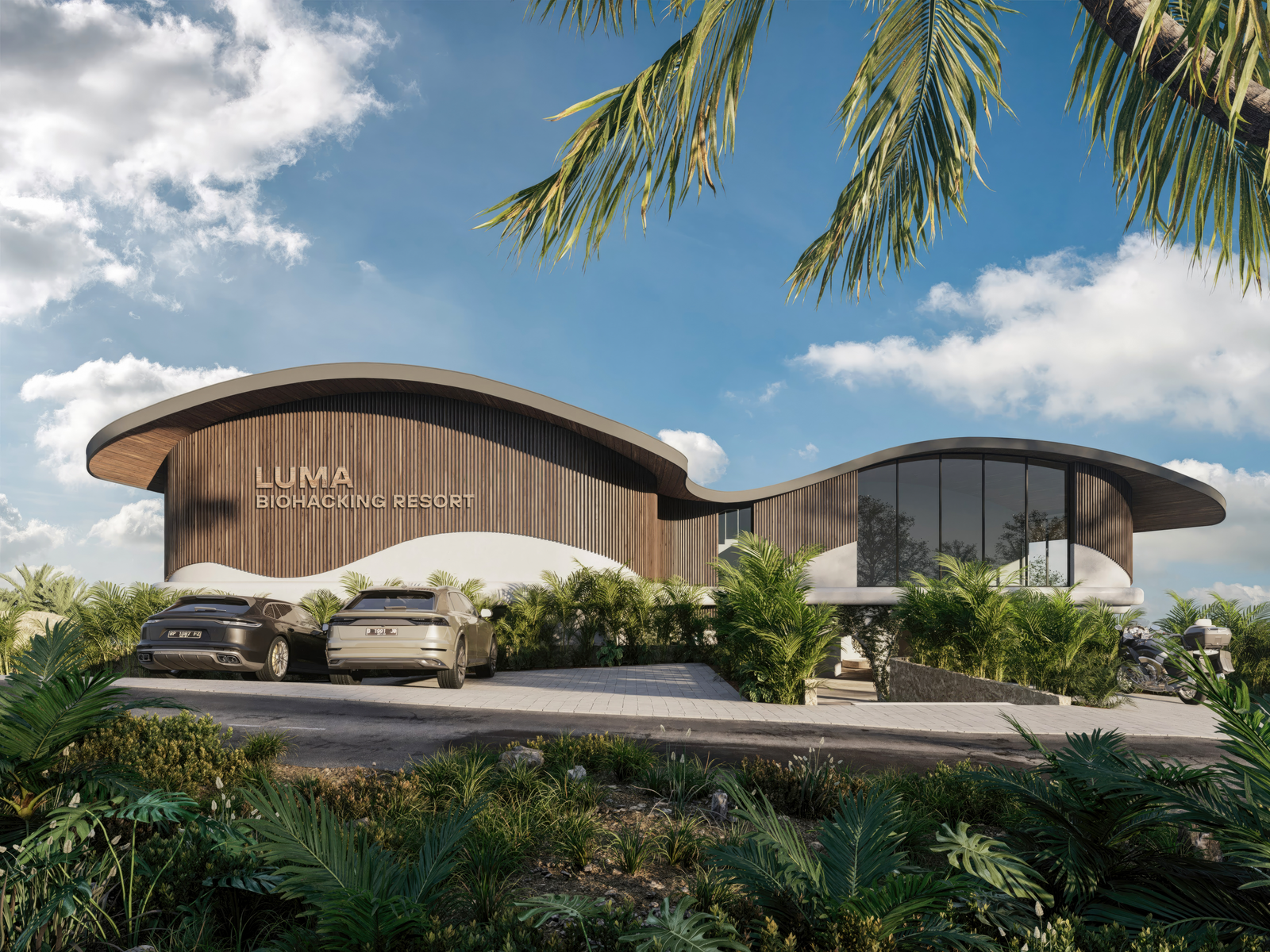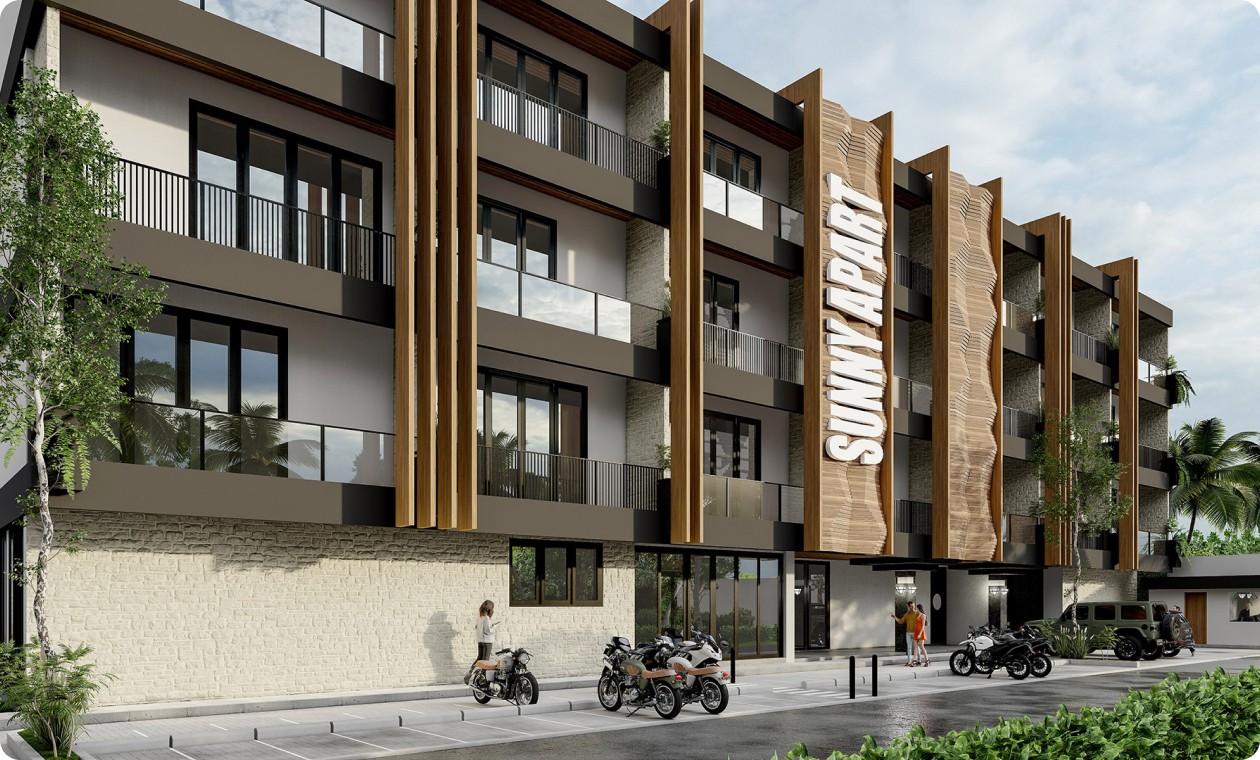

Today, Phuket is not just a resort destination but a fully-fledged investment market offering an average annual return of 10% and high demand for rentals. This is precisely why investors are increasingly shifting from purchasing a single property to building a comprehensive real estate portfolio.
The first purchase is usually a test run, but by the scaling stage, the investor begins to consider returns, liquidity, and capital growth strategies.
It is at this stage that real estate transforms from a one-time investment into a systematic tool capable of generating stable income and growing capital.
From the First Deal to a System
Almost every investor starts with a single property. This could be an apartment in a resort area or a villa in a popular neighborhood. At this stage, the key objective is not maximum profit, but understanding the market.
During the first few months of ownership, a realistic understanding of how the real estate market in Phuket works begins to take shape. The investor sees not just advertising figures, but actual occupancy rates, expense levels, seasonal fluctuations, and tenant behavior.
This experience becomes the foundation for future decisions. An understanding emerges of which property types perform better, which areas demonstrate more stable demand, and how effective the chosen management strategy is.
The transition to scaling up occurs when the investment ceases to be an experiment. The investor begins to think not in terms of individual properties, but as a system in which each subsequent asset reinforces the previous one.

Diversification by Property Type
Diversification becomes one of the key principles of scaling. This is not simply about purchasing several properties, but about creating a balanced portfolio where different types of real estate serve different functions.
Apartments, as a rule, provide more predictable income and are easier to manage. They are suitable for stable rentals and often have a higher level of liquidity. Villas, in turn, target a different audience segment and can generate higher income, but require more attention to management and service.
Investors who are scaling their portfolios begin to combine these formats. One property can provide stability, another can boost returns, and a third can generate capital appreciation through rising property values.
This approach avoids reliance on a single scenario and makes investments more sustainable in the long term.
Working with Different Areas of Phuket
As their portfolios grow, investors begin to view Phuket as a map with different demand zones. Each area has its own audience, dynamics, and investment potential.
Some locations attract tourists and ensure high occupancy rates for short-term rentals, while others are geared toward long-term stays by expats and families. Some areas have developed infrastructure and high service standards, while others are quieter zones with growth potential.
Experienced investors distribute properties across these areas to avoid relying on a single type of demand. This is particularly important in seasonal conditions, when different market segments behave differently.
As a result, the portfolio becomes more flexible. If demand temporarily declines in one segment, other properties continue to generate income.
Combining Income Strategies
Scaling up is impossible without flexibility in the approach to rentals. Investors are gradually moving away from the idea of a single model and beginning to use combined strategies.
The same property can operate differently depending on the season and market conditions. During periods of high tourist demand, it can be used for short-term rentals to maximize returns. During quieter periods, it can switch to a long-term rental format, ensuring a stable cash flow.
This approach requires a deeper understanding of the market and active management, but it is precisely this that allows for smoothing out seasonal fluctuations and increasing the overall efficiency of the portfolio.
Over time, the investor begins to view income not as a fixed amount, but as a manageable metric.
The Role of Management Companies
As the number of properties increases, the issue of management becomes critical. While an investor may manage the process independently in the early stages, this becomes inefficient as the portfolio scales.
Management companies take over the operational aspects: tenant relations, property maintenance, marketing, and pricing. This allows the investor to focus on strategy rather than day-to-day tasks.
It is important to understand that the quality of management directly affects returns. The same property can yield completely different results depending on the approach taken.
Therefore, when scaling up, investors pay special attention to selecting a management company, viewing it as a partner rather than simply a contractor.

Reinvesting Income
Reinvestment is becoming one of the key growth strategies. Rental income is not withdrawn in full but is partially used to purchase new properties.
This creates a compounding effect. Each new asset begins to generate income, which, in turn, can be used to further expand the portfolio.
In practice, it works like this: the investor allocates a portion of rental income (for example, 30–50%) toward the purchase of the next property or the down payment.
As a result, each new asset begins to generate additional cash flow, which is reinvested again, creating a compounding effect on capital growth and accelerating portfolio scaling.
It is precisely this mechanism that allows investors to transition from one or two deals to a full-fledged asset portfolio.
Purchasing in the early stages of projects
Another scaling tool is participating in projects during their early stages. During the construction phase, the property’s value is typically lower than after completion.
Investors use this advantage to increase their capital. As the project progresses, the property’s value rises, allowing them to either sell the property at a profit or secure a higher rental base.
However, this strategy requires more thorough analysis. It is important to consider the developer’s reputation, the project’s concept, and actual demand in the chosen location.
Unlike completed properties, there is greater uncertainty here, but also greater growth potential.
When an investor starts “thinking in terms of a portfolio”
The key to scaling up is a shift in mindset. The investor stops viewing each property individually and begins to evaluate the system as a whole.
Parameters such as overall cash flow, risk distribution, and the balance between yield and liquidity come to the forefront.
Decisions are made not based on the characteristics of a single property, but with consideration of how it will fit into the existing structure.
This is a transition from the level of a private investor to the level of capital management. And it is precisely this that determines long-term success.
Investing in real estate in Phuket offers the opportunity not only to preserve capital but also to build a comprehensive system of income-generating assets.
Scaling is not simply about increasing the number of properties. It is a strategy based on diversification, management, and a deep understanding of the market.
It is precisely this approach that allows investors to turn real estate into a sustainable growth tool and build portfolios designed for the long term.