
By 2026, Bali’s real estate market has reached a new level of development. Whereas investments in the island were previously driven largely by the region’s overall growing popularity, the situation today has become more complex and professional. Investors are increasingly analyzing not only the purchase price but also factors such as yield, liquidity, management structure, and long-term demand.
Against this backdrop, the choice between purchasing an off-plan property and a resale property becomes a key strategic decision. These two formats differ not only in terms of payback periods but also in the very logic of generating profit.
Off-plan real estate: betting on value appreciation and future demand
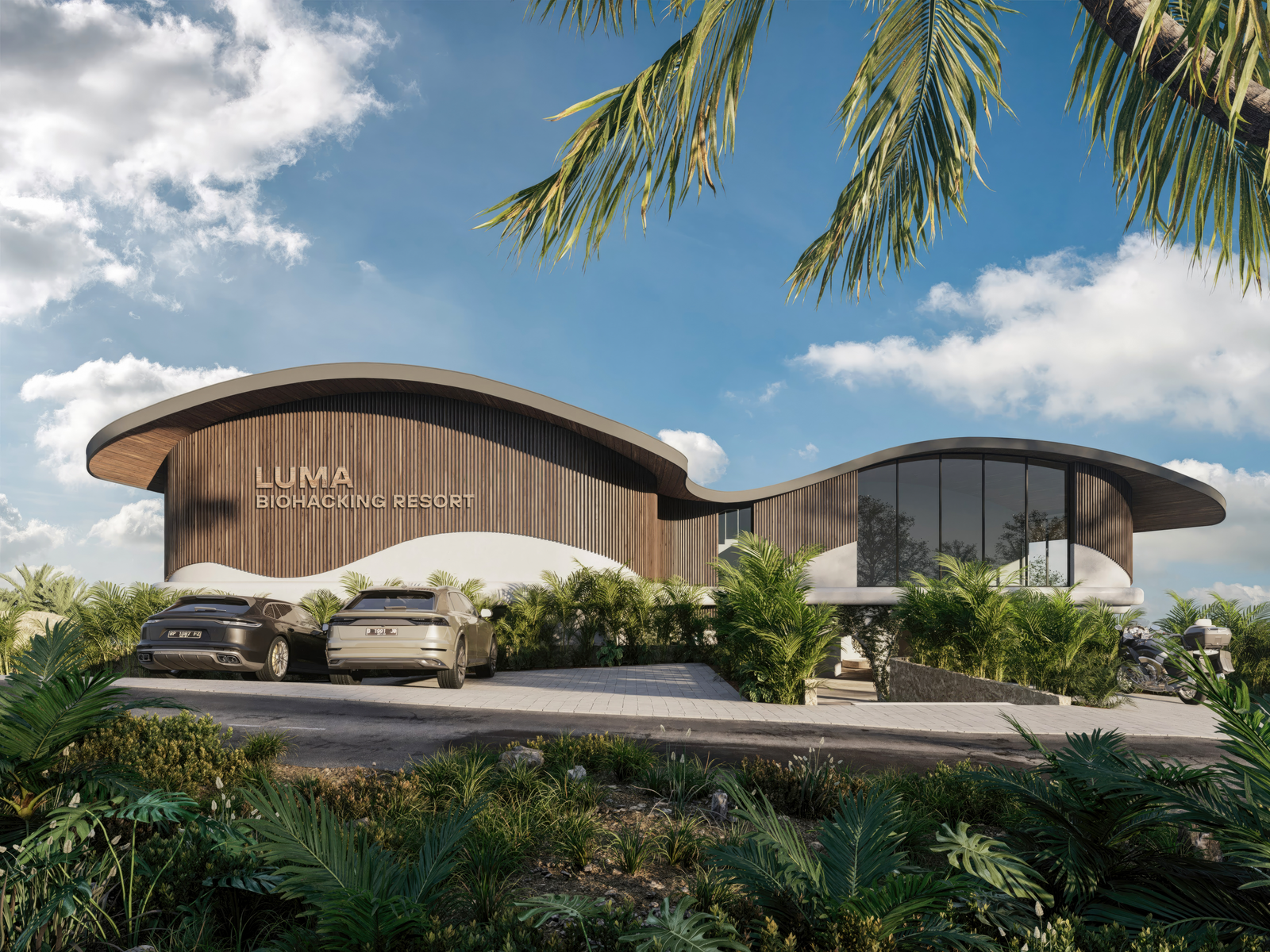
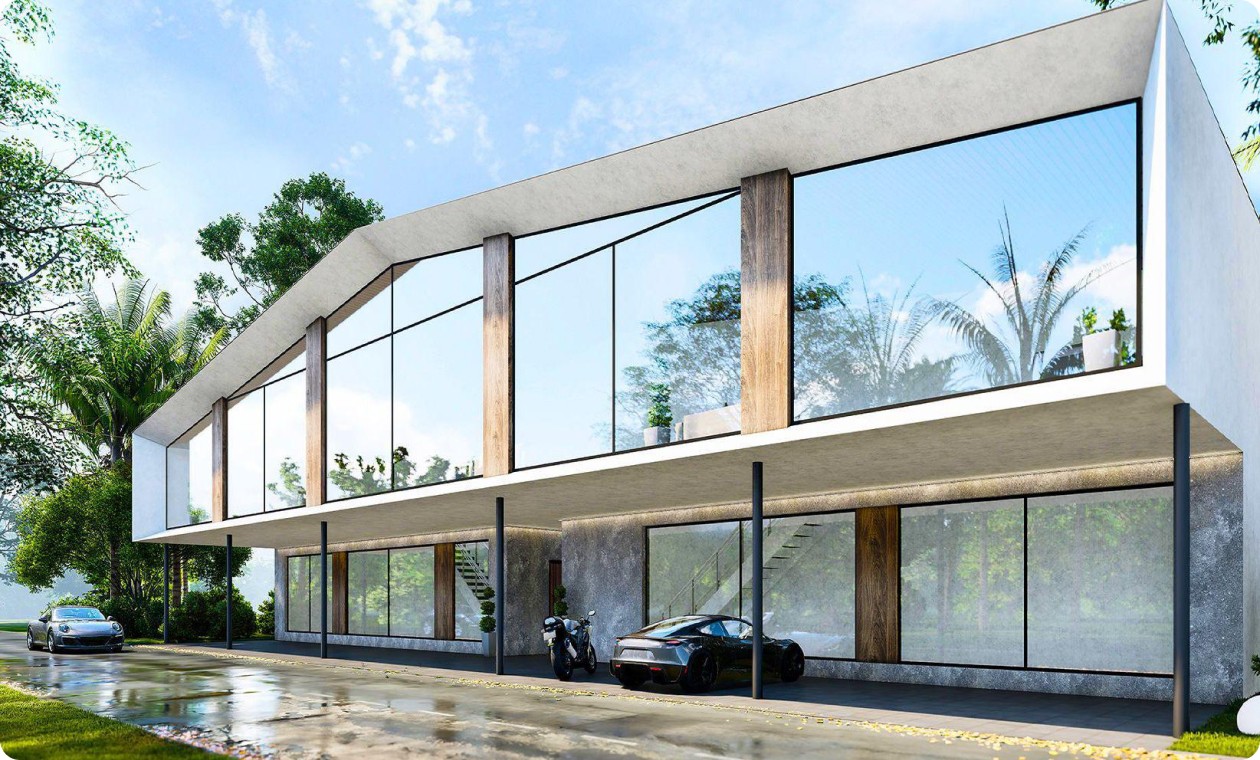
Purchasing real estate during the construction phase is traditionally viewed as a strategy focused on capital appreciation. The investor enters the project at a lower price, counting on the value to rise by the time construction is completed.
In Bali, this approach can indeed be effective, especially in developing areas where infrastructure is just taking shape. As the project nears completion, utilities are connected, and rentals begin, the property starts to appreciate in value. However, it is important to understand that the dynamics of this growth are not fixed and depend on a multitude of factors, including the overall market conditions and competition.
The payment structure remains an additional advantage. Many developers offer installment plans during the construction period, which reduces the capital burden and makes the investment more flexible. For some investors, this becomes a key argument in favor of off-plan purchases.
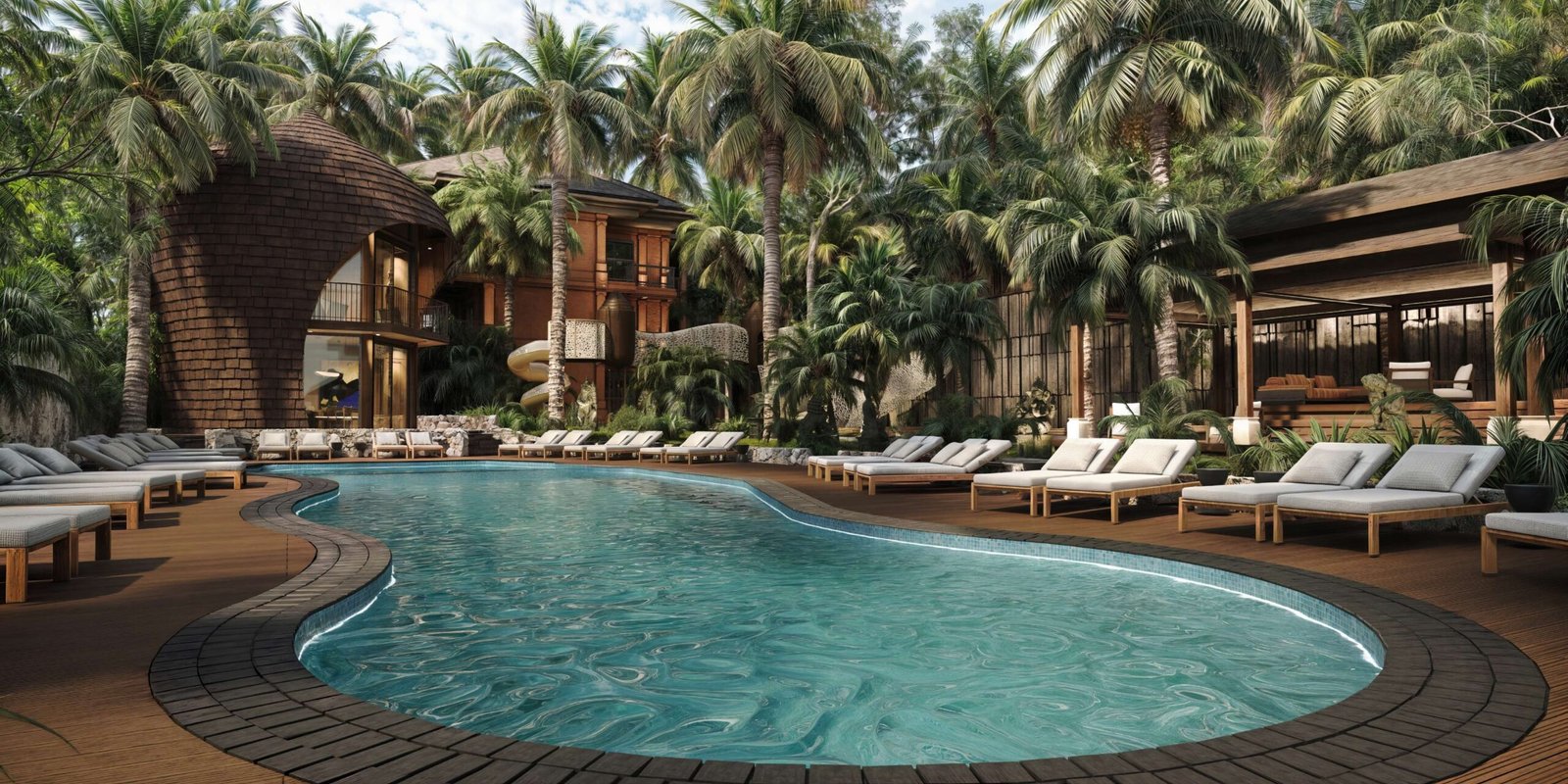
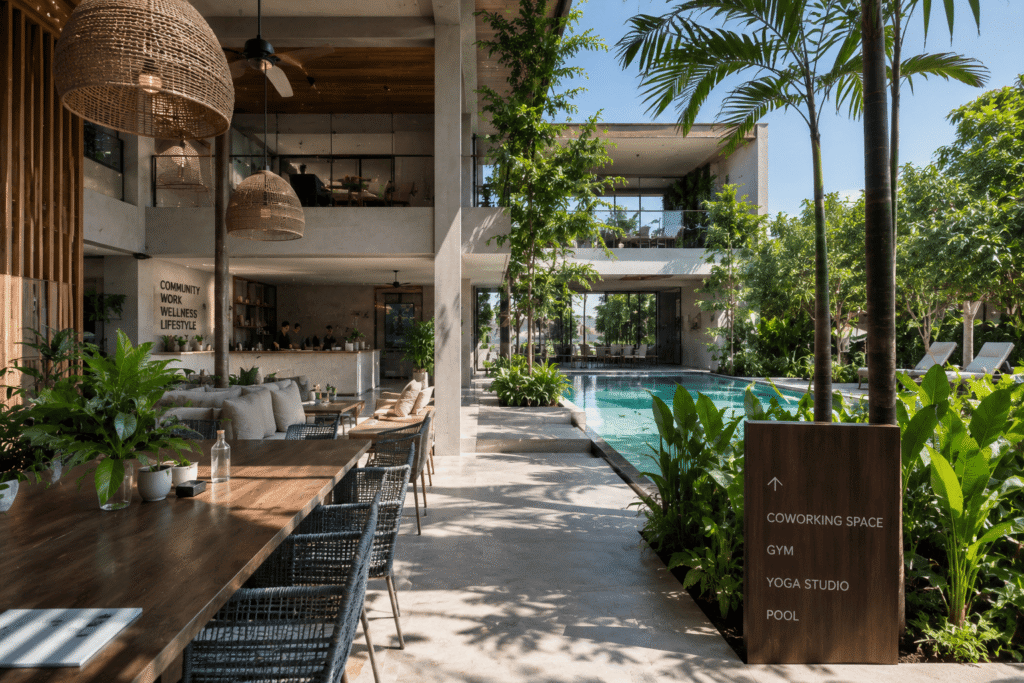
In recent years, the structure of new projects has also changed. Whereas the market previously offered mainly standard villas, by 2026 the concept itself will play an increasingly important role. New complexes often include additional amenities—recreational areas, sports facilities, and spaces for work and relaxation. This affects not only living comfort but also future profitability, as such properties are more competitive in the rental market.
At the same time, risks remain an important part of the strategy. Construction timelines on the island can shift, especially if a project depends on material deliveries or complex engineering solutions. Additionally, there is a possibility that the final property will differ from the initial concept. Therefore, when selecting off-plan property, it is critically important to evaluate the developer’s experience and their completed projects.
Secondary Market: Stability and Predictable Income
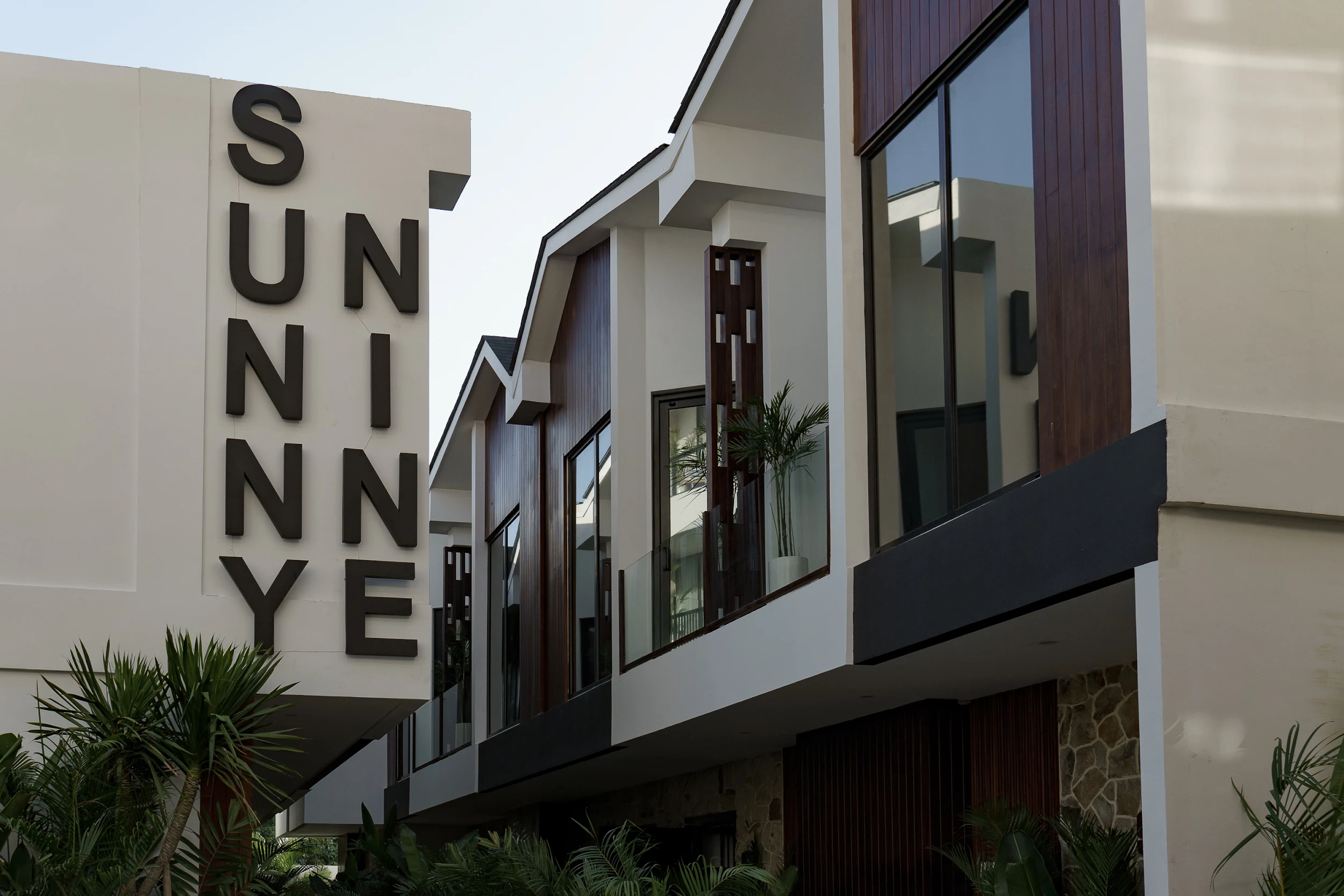
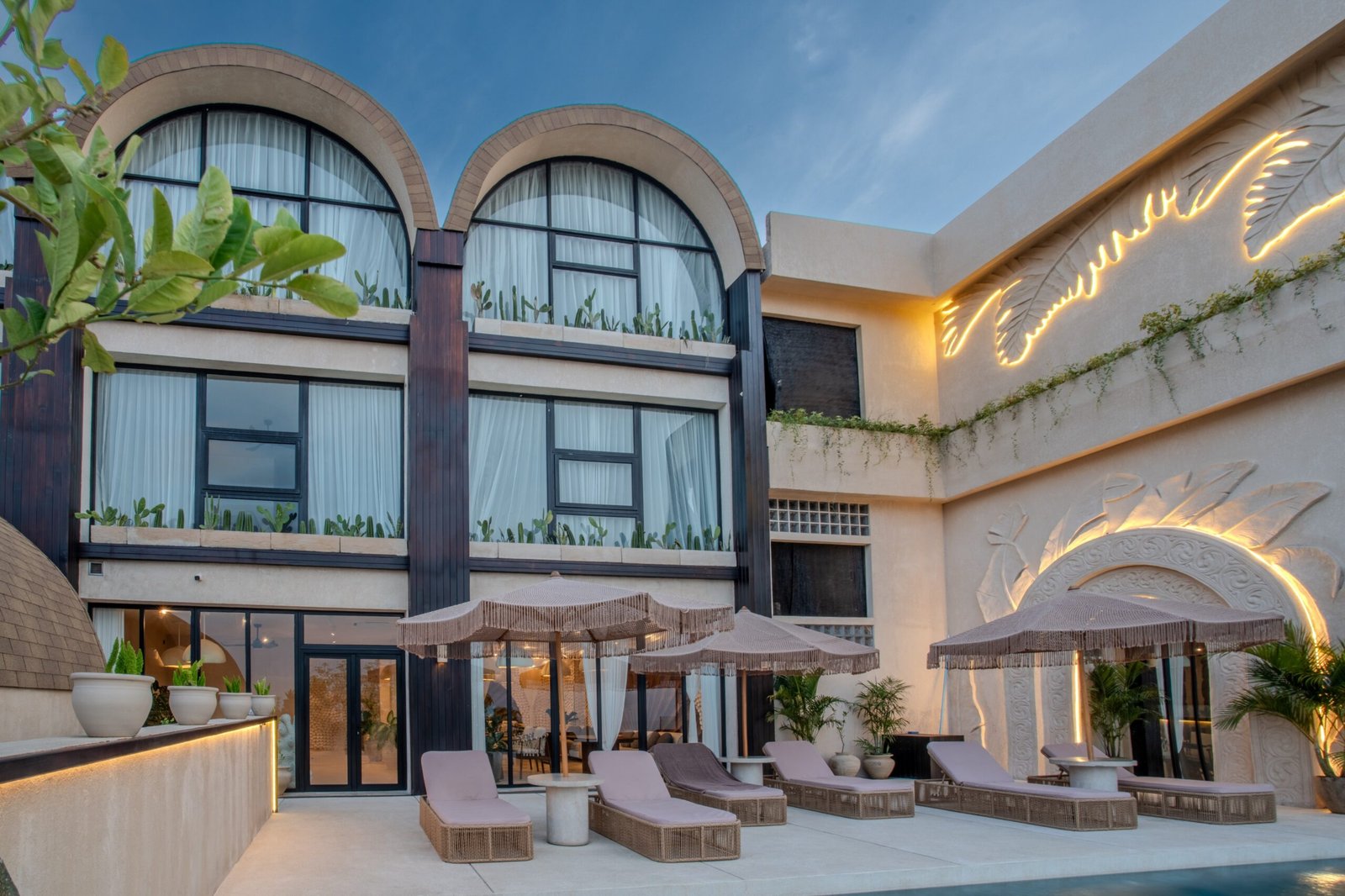
Secondary real estate in Bali offers investors a different model—one with less uncertainty and a faster return on investment. The main advantage of such properties is that they are already built and operational.
This allows you to assess not only the physical condition of the villa but also its actual profitability. Investors can analyze occupancy rates, average rental rates, and the property’s performance across different seasons. This approach reduces risks and makes the investment more predictable.
Location plays a special role. In popular areas of the island, available plots are becoming increasingly scarce, and purchasing a ready-to-move-in property is often the only way to acquire real estate in a sought-after area. This sustains demand and helps preserve the value of such assets.
However, the secondary market has its own peculiarities. In a tropical climate, buildings deteriorate more quickly, and even relatively new properties may require regular updates. This applies not only to cosmetic renovations but also to engineering systems, furniture, and appliances.
In addition, tenant requirements are changing. By 2026, design, technological sophistication, and the availability of additional services will become increasingly important. If a property does not meet these expectations, its competitiveness declines, which can affect its profitability.
How the Bali real estate market is changing in 2026
One of the key trends is the shift from investing in “square footage” to investing in the living experience. Buyers and tenants are increasingly choosing not just a villa, but an environment that combines comfort, functionality, and additional amenities.
This leads to increased competition among properties in the market. Simple, concept-less solutions are gradually giving way to more thoughtful formats tailored to specific audiences—from digital nomads to long-term residents.
As a result, profitability is increasingly determined not only by location but also by how well a property meets market expectations.
Yield and Risks: What Investors Need to Consider
Whether dealing with off-plan or resale properties, it is not the format itself but the quality of the analysis that plays a key role. Yield depends on a multitude of factors: from property management to seasonal demand.
Off-plan properties can offer higher capital appreciation but require time and a willingness to tolerate uncertainty. Existing properties provide a quicker return but may require additional investment in renovations.
It is also important to consider legal aspects, ownership structure, lease terms, and the quality of the property management company. These factors ultimately determine the success of the investment.
Conclusion: What to Choose in 2026
The choice between off-plan and resale properties in Bali is not a one-size-fits-all decision. It always depends on the investor’s strategy.
If the goal is capital appreciation and you’re willing to wait for the project’s completion, off-plan properties can offer attractive opportunities. If a stable cash flow and risk mitigation are your priorities, the secondary market appears to be the more predictable option.
In 2026, the winners will not be so much those who choose a specific format, but rather those who thoroughly analyze the market and make decisions based on real data.