
By 2026, Bali has firmly established itself not merely as a tourist destination, but as a full-fledged hub for living, remote work, and investment. The island has long since moved beyond the label of a “cheap tropical paradise”: today it is a dynamic market with varying price levels, developed infrastructure in key areas, and steady demand for real estate.
The question “how much does it cost to live in Bali” no longer has a single universal answer. The cost of living here directly depends on your chosen lifestyle, location, and level of comfort. At the same time, Bali remains a rare place where, with the right approach, you can combine relatively affordable living costs with a high quality of life while also viewing real estate as a source of income.
Total cost of living in Bali in 2026
The average budget in 2026 has increased significantly compared to the pre-pandemic period, due to rising demand, infrastructure development, and an increase in the number of expats. Nevertheless, Bali remains flexible: it is still possible to live frugally here, but it is also easy to reach a cost of living comparable to that of European countries.
For a comfortable lifestyle, a single person typically needs about $1,500–$2,500 per month. With a more frugal approach, one can get by on roughly $800–$1,200, though this requires giving up many familiar comforts. In the premium segment, expenses start at $3,000 and up—depending on housing, food, and lifestyle.
This wide range makes Bali a versatile destination for both freelancers and digital professionals, as well as for investors considering long-term residency or purchasing real estate.
Housing Costs in Bali: Renting and Buying
Housing accounts for the bulk of expenses and largely determines the overall standard of living. In 2026, the rental market remains active, especially in popular areas such as Canggu, Seminyak, Uluwatu, and Bukit.
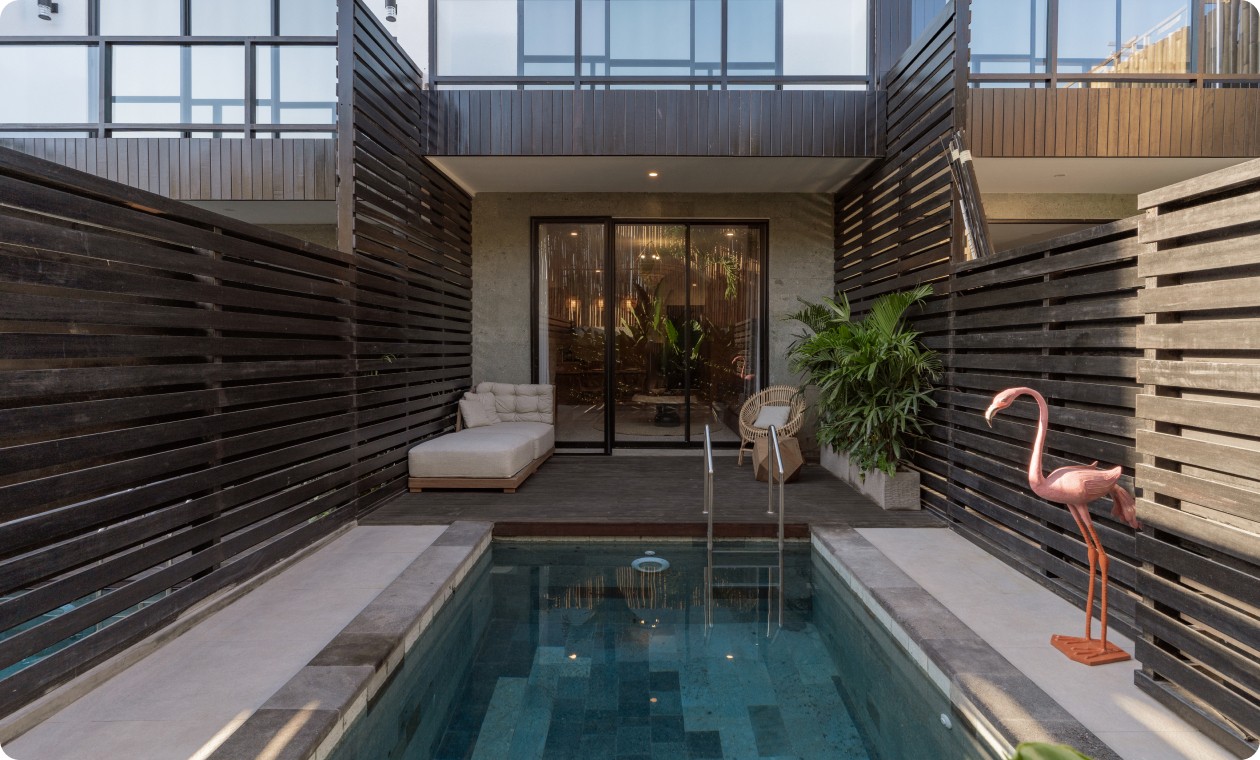
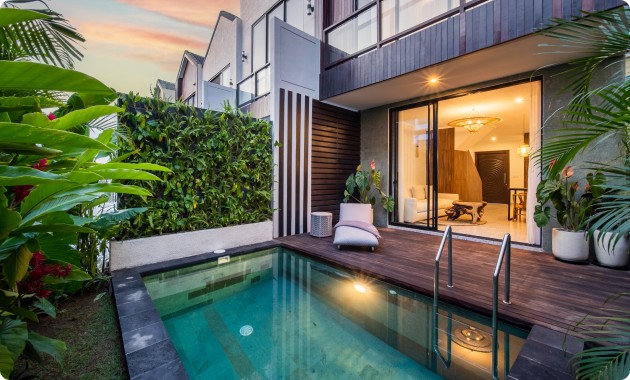
Budget options like rooms or guesthouses are still available, but the main demand is focused on apartments and villas. A modern studio apartment costs an average of $400 to $900 per month, depending on the location and quality of the complex. One-bedroom villas start at around $900, while properties with a pool and good amenities can cost $1,500–$3,000 or more.
At the same time, interest in purchasing real estate is growing. In 2026, Bali remains one of the few markets where a relatively low entry barrier is combined with high returns. Apartments can be purchased for $70,000–$90,000, and villas for $120,000–$150,000. With proper management, such properties can yield 10–15% annually through short-term rentals.
This is precisely why many view the cost of living in Bali not only in terms of expenses but also as part of an investment strategy.

Food Prices and Daily Expenses
Food in Bali is one of the most flexible expense categories. It’s easy to mix local cuisine with European cafes and high-end restaurants here. This is what makes the island unique: the cost of living can be adjusted on a daily basis.
Local warungs offer very affordable meals, but most expats prefer mid-range cafes and restaurants. Breakfasts, coffee, bowls, and European cuisine make up the typical dining routine, with food expenses amounting to about $300–500 per month.
Groceries in supermarkets are more expensive, especially when it comes to imported goods. For this reason, many prefer to eat out, which in Bali often turns out to be not only more convenient but also comparable in price.
Transportation, Internet, and Daily Infrastructure
Getting around Bali in 2026 still cannot be considered outside the context of the scooter. It is not just a mode of transportation, but a part of everyday culture and lifestyle. It is the scooter that provides the degree of freedom for which expats value the island: the ability to move quickly between neighborhoods, beaches, cafes, and workspaces without being tied to a schedule or the cost of travel. Scooter rentals remain relatively affordable, and fuel costs have virtually no impact on the overall budget, even with heavy use.
At the same time, as the island’s popularity grows, so does the strain on the road infrastructure. In areas with a high concentration of expats—such as Changu, Seminyak, and Uluwatu—traffic jams have become a regular occurrence, especially during rush hour. This is an important factor that is increasingly taken into account when choosing a home or investing in real estate: proximity to key infrastructure points directly affects a property’s liquidity.
Taxi and delivery services, primarily Gojek and Grab, remain an alternative to personal transportation. They are actively used for short trips, food delivery, and everyday errands, creating a convenient digital ecosystem. The cost of such trips remains relatively low, making them an affordable alternative to car ownership.
Bali’s internet infrastructure in 2026 has improved significantly compared to previous years. In tourist and developed areas, stable connectivity has become the norm, making the island a fully-fledged base for remote work. Coworking spaces, which have become a distinct segment of the island’s infrastructure, play an additional role. These are not just workspaces, but hubs for the professional community, where business connections, projects, and startups are formed. This environment largely supports the demand for long-term rentals and real estate purchases.
Lifestyle, Medicine, and Service
Bali in 2026 is not only a place to live, but also a vibrant lifestyle that combines elements of relaxation, work, and self-improvement. The island offers a unique environment where activity and relaxation coexist: morning surfing can give way to work in a coworking space, and evenings to meetings in restaurants or community events.
It is this multi-layered environment that fosters a steady stream of expats for whom Bali becomes not just a temporary destination, but a full-time residence. Lifestyle expenses vary widely here, but on average, they constitute a separate budget item related to activities, sports, gastronomy, and social events.
Medicine deserves special attention. The island is dominated by the private sector, geared toward foreigners. Clinics in tourist areas meet international standards, but the cost of services is higher than in the local market. For this reason, insurance is becoming a must for most expats. It’s not only a matter of safety but also a factor in financial stability.
Bali’s service sector is rapidly developing, particularly in the real estate sector. New residential complexes and villas are increasingly being offered as turnkey, managed properties. Management companies handle maintenance, guest check-in, cleaning, and marketing of the property. This approach makes the market more transparent and attractive to investors, especially those who view Bali real estate as a source of passive income without the need for a permanent presence.

Bali vs. Dubai: Comparing Cost of Living and Investment Models
Comparing Bali and Dubai in 2026 is becoming increasingly relevant, especially among investors considering overseas real estate. These destinations differ fundamentally in market structure, cost levels, and investment logic.
Dubai is traditionally associated with a high standard of living, developed infrastructure, and a stable legal system. However, the cost of living here is significantly higher: rent, food, transportation, and services create a higher barrier to entry. This is a market with clear regulations and predictability, but also higher competition and, as a rule, more moderate returns.
Bali, on the other hand, offers a more flexible model. The cost of living here is lower, especially initially, and the real estate market remains less saturated. This creates conditions for higher returns, particularly in the short-term rental segment. At the same time, Bali requires a more careful approach when choosing a property, developer, and management company.
Thus, while Dubai is about stability and capital protection, Bali is about growth, flexibility, and the possibility of achieving higher returns with a sound strategy.
Investing in Bali Real Estate in 2026
The Bali real estate market will continue to demonstrate steady growth in 2026, supported by several factors: the recovery and increase in tourist flow, the growing number of long-term residents, and active infrastructure development.
Demand is shifting toward high-quality projects with a well-thought-out concept. Investors are increasingly choosing not just individual villas, but integrated solutions that include services, management, and a rental strategy. This is due to the market becoming more mature, and competition is becoming more professional.
Real estate in Bali is seen as a means of capital diversification with the potential for generating a stable income. With the right choice of location and property format, returns can reach double-digit levels, making the island one of the most attractive destinations in the international real estate segment.
The key to success is choosing a developer. Working with companies that provide a full service—from property selection to management and support—significantly reduces risks and increases investment efficiency. In this context, Sunny Holding is implementing projects focused on investment returns, liquidity, and owner comfort, which is especially important in a growing market.
In 2026, Bali remains a destination where the cost of living is directly dependent on individual choice. The average comfortable level starts at approximately $1,500–$2,500 per month, but the island offers significantly more options, ranging from budget-friendly to a premium lifestyle.
The main difference between Bali and many other destinations is that expenses here can be not only an expense but also part of the investment model. With the right approach, life on the island can be combined with income from real estate, making it particularly attractive for long-term planning.