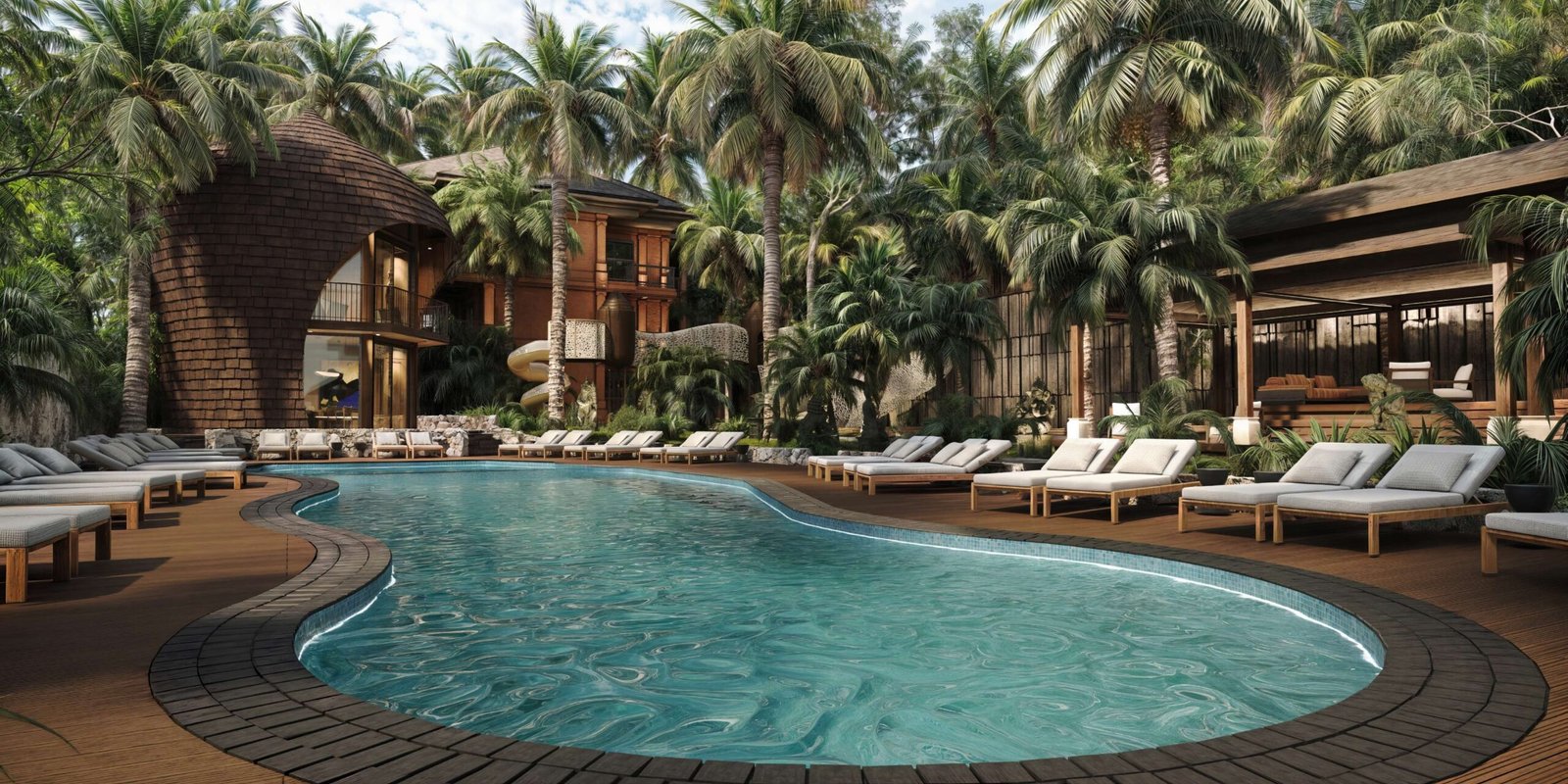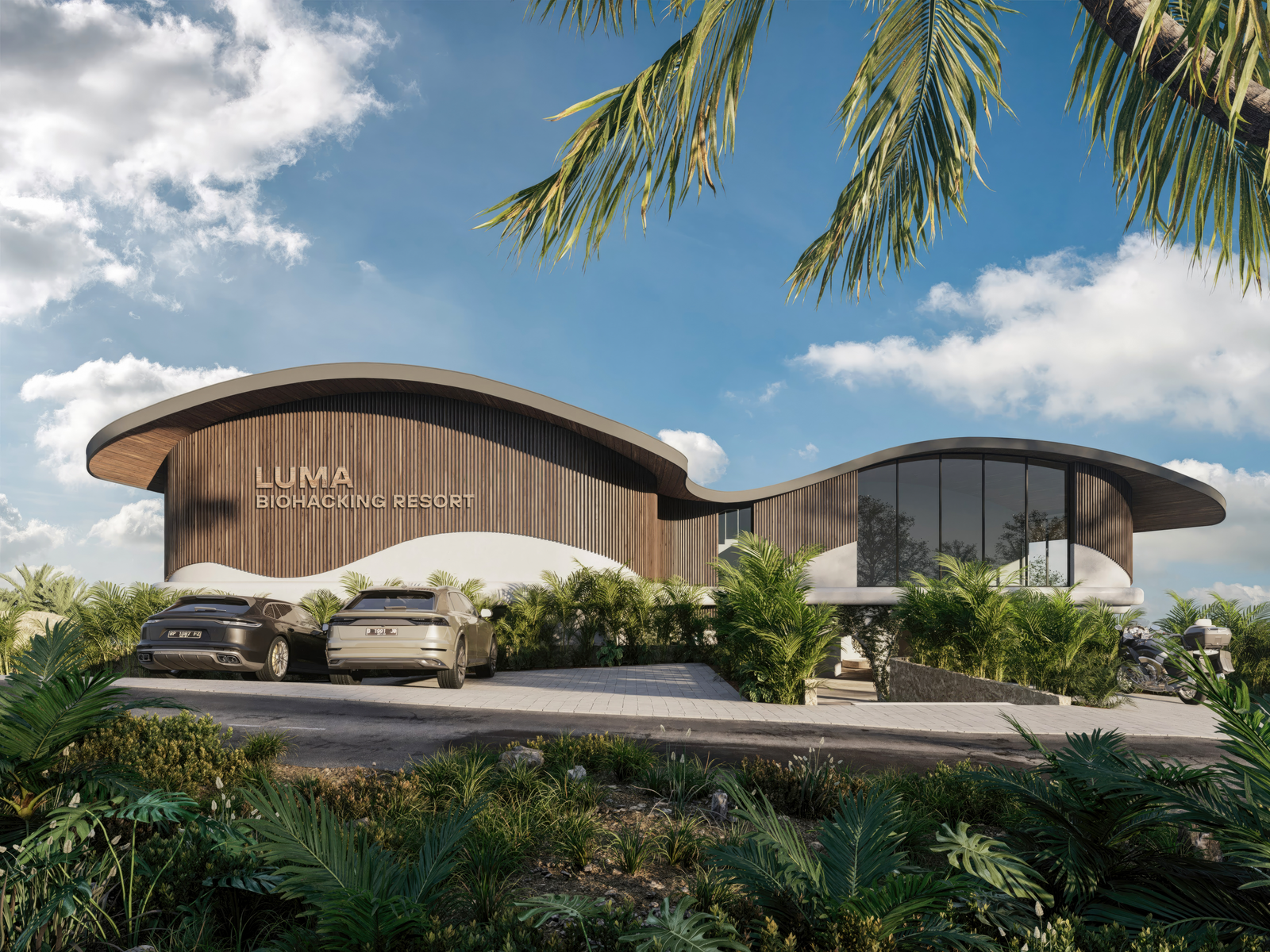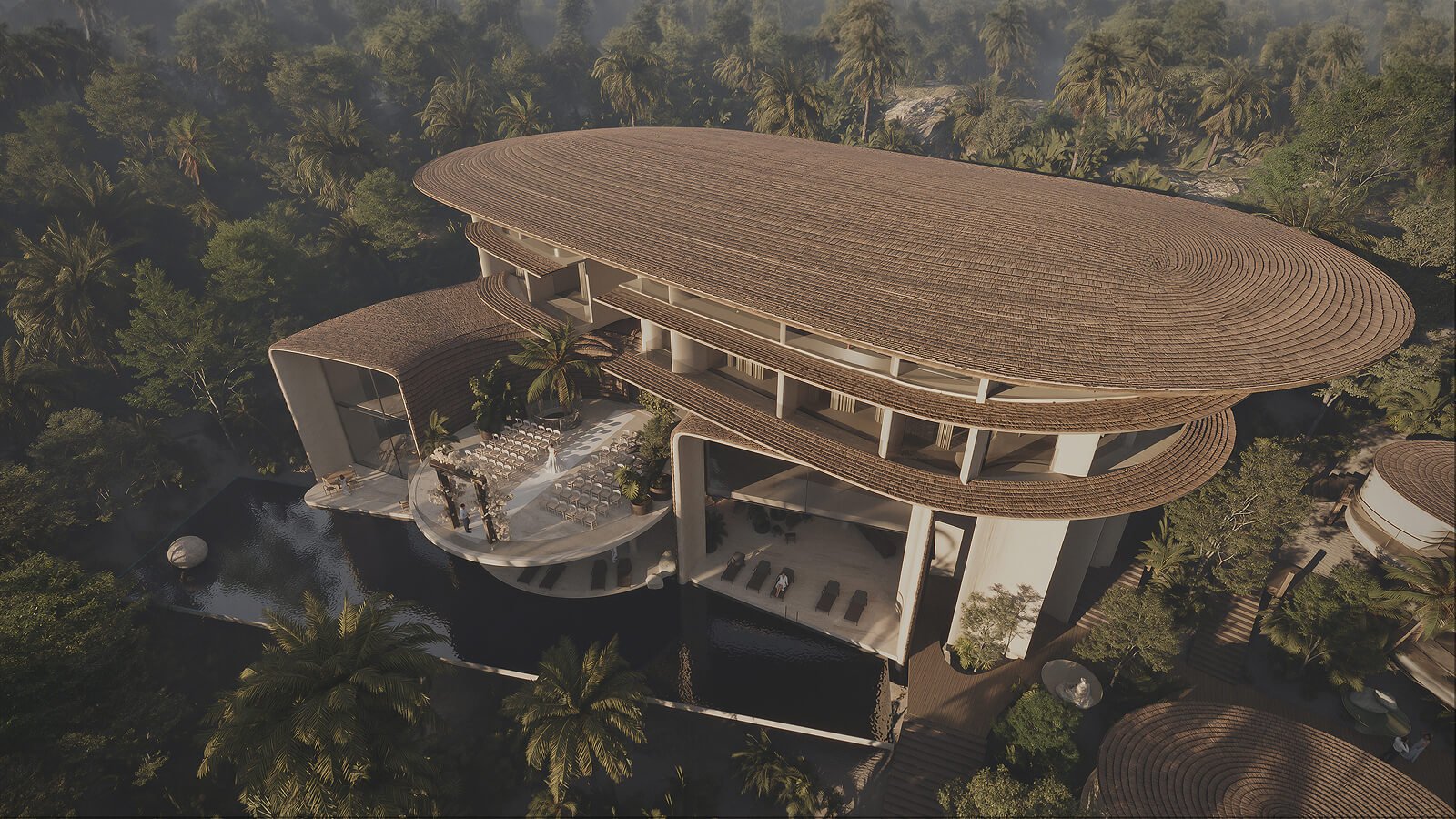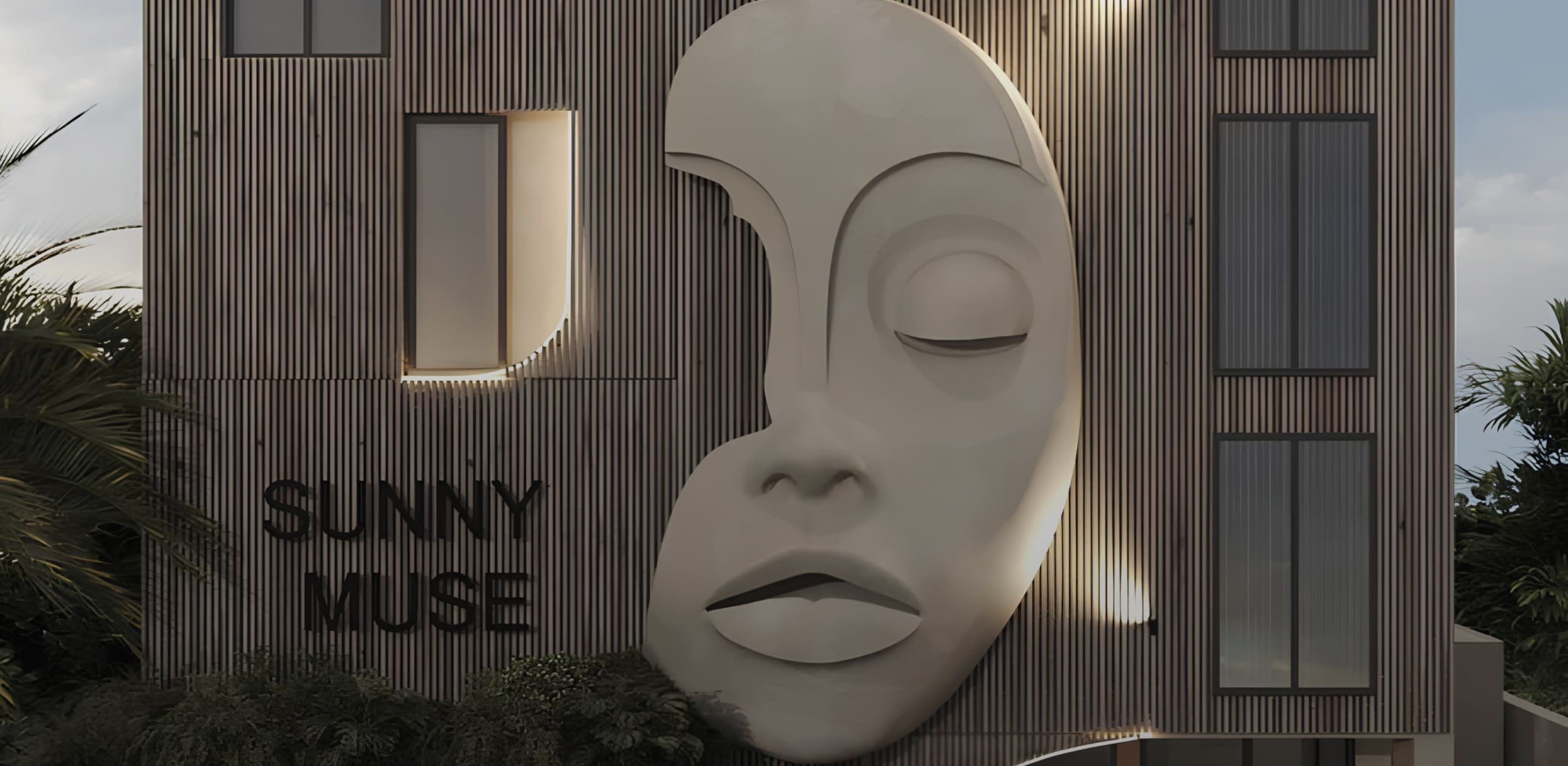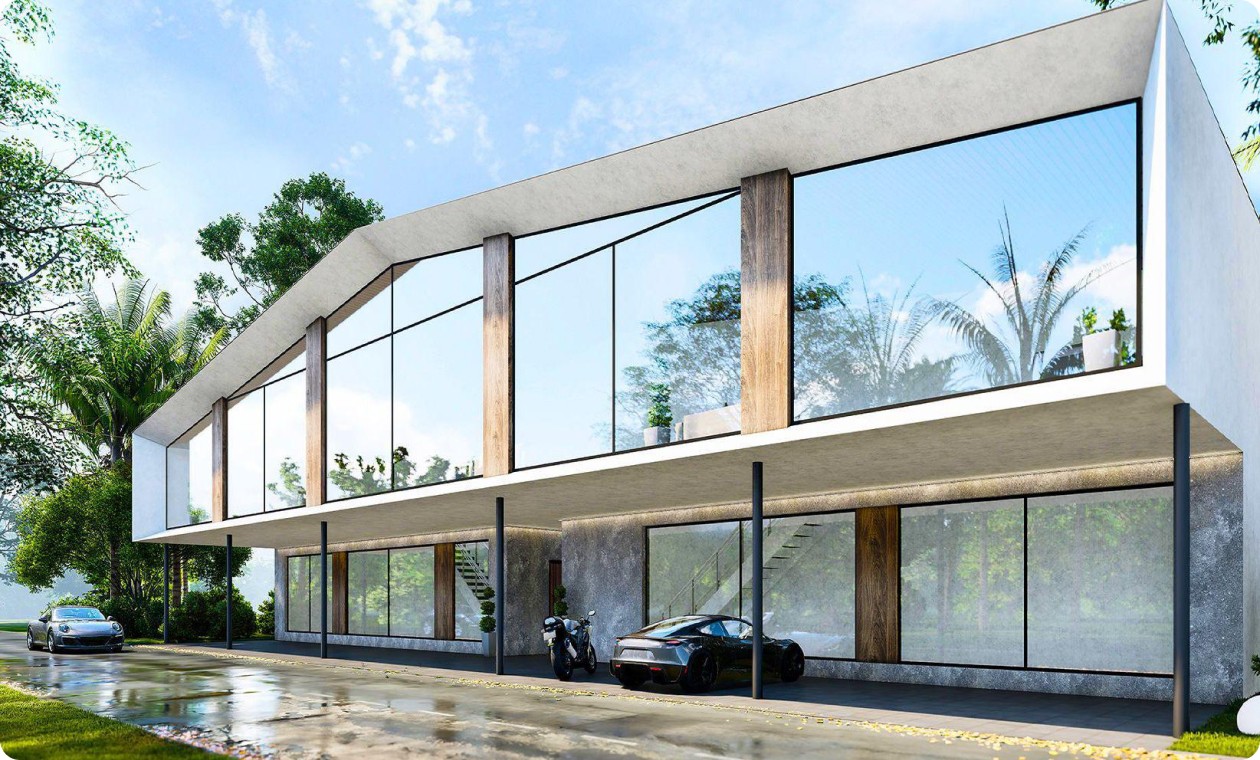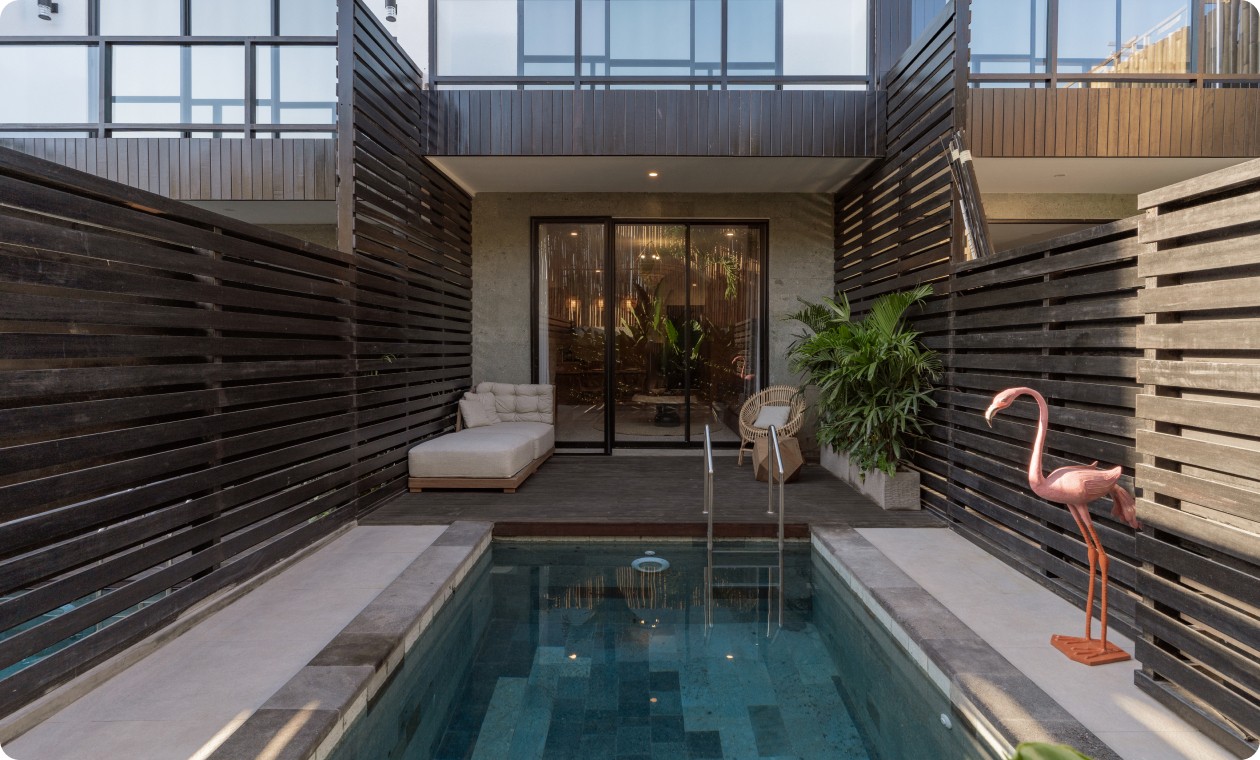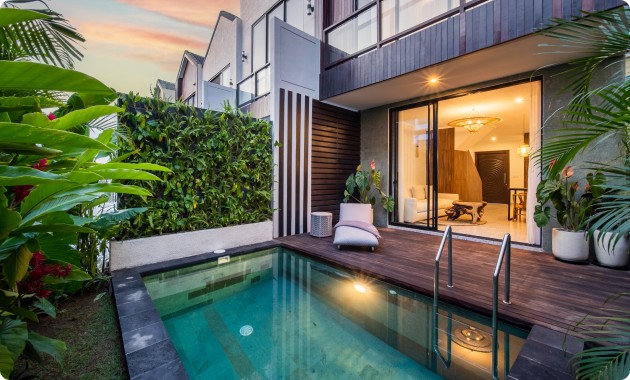
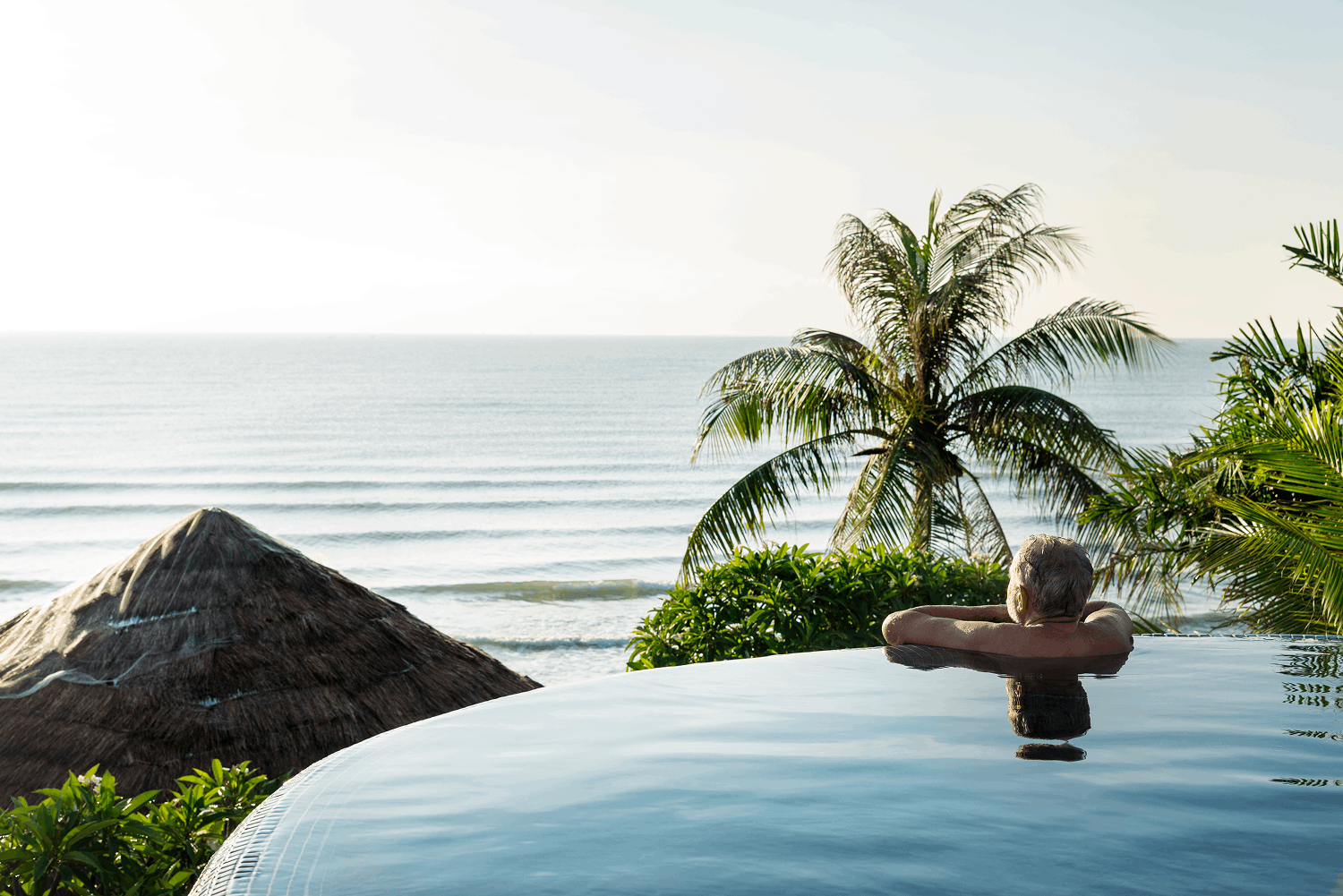
In recent years, Bali’s real estate market has attracted the attention of not only travelers but also international investors. Interest in the premium segment—villas, residences, and high-end resort complexes—is particularly growing. Analysts and market participants are increasingly noticing one trend: luxury real estate in Bali is steadily rising in price.
The rise in prices in this segment is not due to a single factor, but to a complex set of economic, infrastructural, and global trends. To understand why premium properties on the island continue to rise in price, it’s important to examine the key factors shaping this market.
Lack of Land in Prime Locations
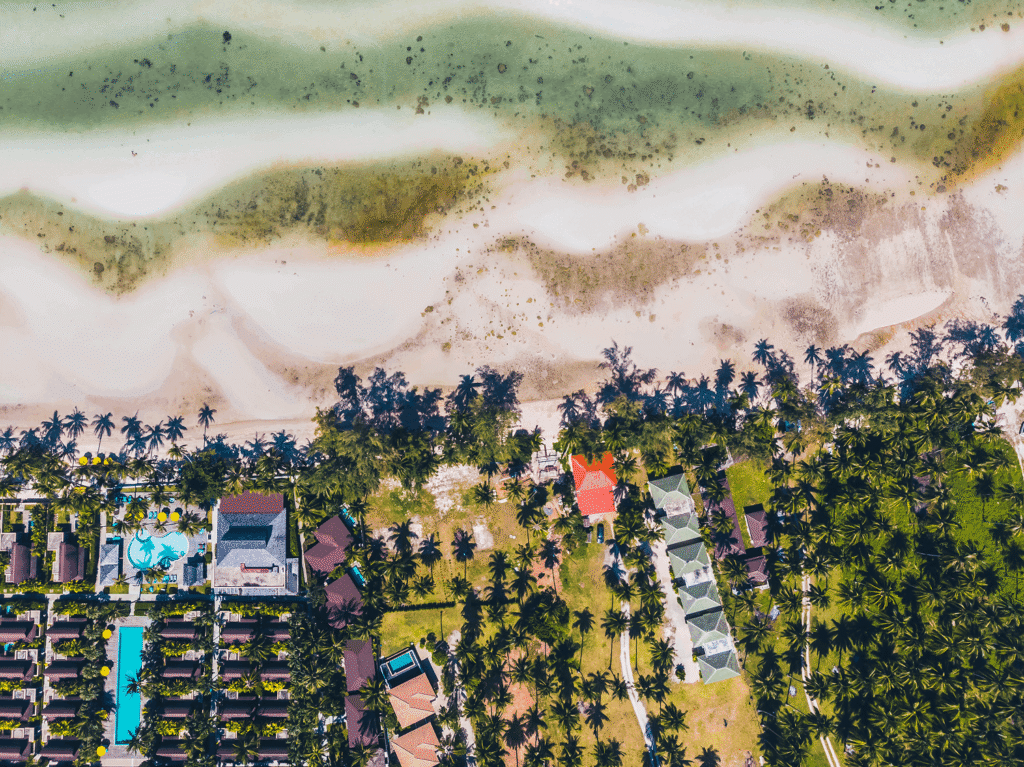
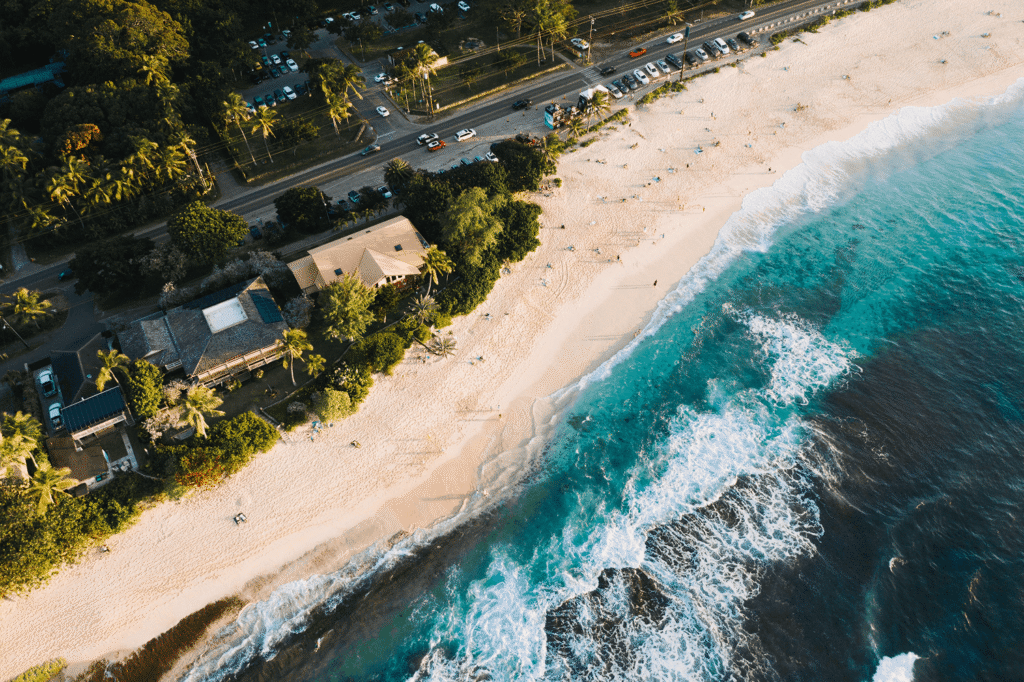
One of the fundamental factors driving the rise in luxury real estate prices in Bali remains the limited availability of land in the island’s most attractive areas. Unlike many cities, where development can expand into new areas, Bali has a clearly defined geography. Being an island, the number of plots with truly unique features—ocean views, direct beach access, or scenic cliffside locations—is physically limited.
This is especially noticeable in areas such as Canggu, Uluwatu, and Seminyak. These locations have long been magnets for the international community, boasting top restaurants, beach clubs, modern villas, and expat-friendly amenities. However, available plots are becoming increasingly scarce. Many are already developed, and new projects are becoming increasingly rare.
There’s a simple principle in real estate: when supply is limited and demand continues to grow, prices inevitably rise. This is precisely the mechanism at work in Bali today. In prime locations, the number of plots is virtually fixed, while interest from investors, developers, and buyers from around the world continues to grow.
Furthermore, the island has a zoning system and height restrictions. In most areas, high-rise buildings are prohibited, further limiting supply. As a result, premium properties are becoming a rare commodity, and their value is gradually increasing.
Growing International Demand
Just ten years ago, the bulk of buyers in Bali were primarily regional investors and Australians. Today, the situation has changed. Luxury properties on the island are increasingly being purchased by buyers from Europe, the US, the Middle East, and other Asian countries.
This is due to global changes in lifestyles and work. The rise of remote employment, international entrepreneurship, and the digital economy has allowed many professionals to live and work from virtually anywhere in the world. Bali has proven to be an ideal location for this lifestyle.
The island offers a combination of natural beauty, a warm climate, and a developed international infrastructure. Coworking spaces, international schools, medical centers, and world-class restaurants are all located here. This makes Bali attractive not only for vacations but also for long-term residence.
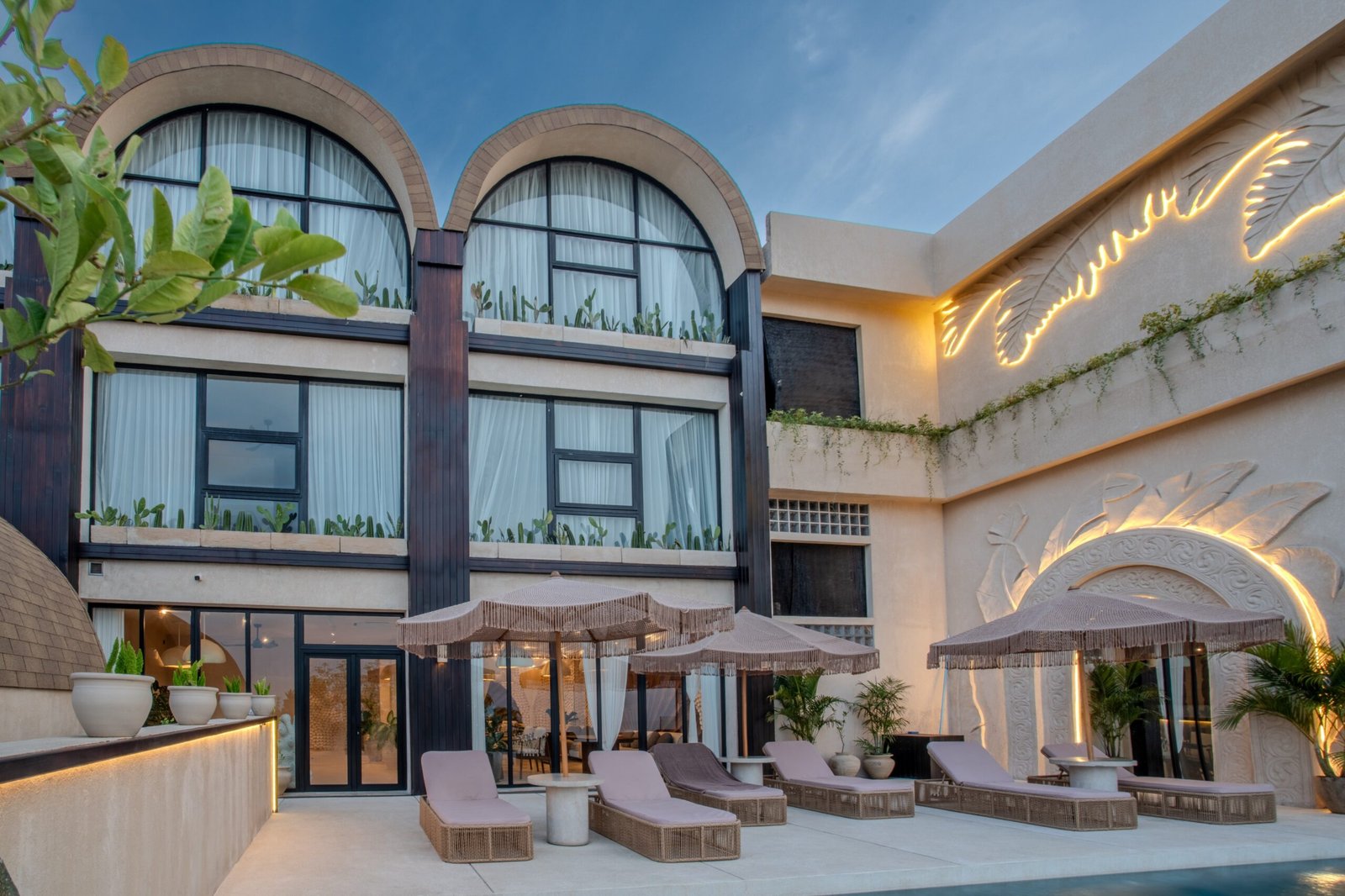
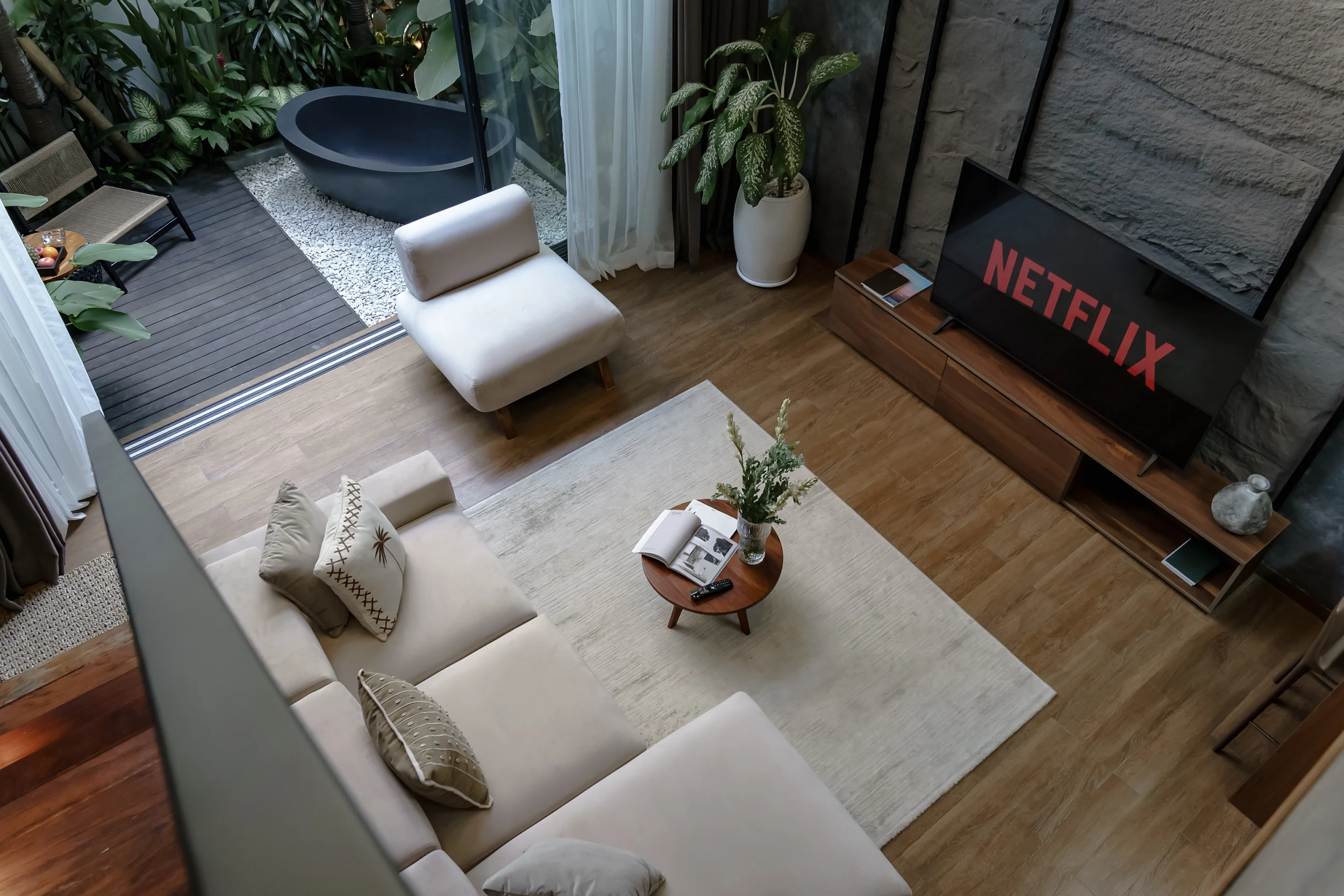
Many entrepreneurs and digital nomads spend several months a year on the island. Some relocate for longer periods. This audience prefers comfortable, high-quality housing—modern villas with privacy, a swimming pool, and high-quality architecture. At the same time, the segment of buyers considering Bali real estate as a second home is growing. For these owners, not only investment performance is important, but also the lifestyle value of the property. Ocean views, designer architecture, proximity to the beach, and developed infrastructure are becoming key selection criteria.
Growth in international demand means that the luxury real estate market in Bali is no longer a local one. It is becoming part of the global resort real estate market, where buyers compete for a limited number of premium properties.
Development of the island’s infrastructure
Infrastructure plays a crucial role in determining real estate values. The higher the level of infrastructure, the more attractive the area becomes for living and investing.
In recent years, Bali has changed significantly. New roads and transport projects are appearing on the island, international schools, private clinics, and modern commercial spaces are opening. The development of the restaurant culture and hospitality industry is also impacting the region’s attractiveness.
For example, the Canggu and Seminyak areas have developed a fully-fledged urban environment with cafes, restaurants, fitness centers, and co-working spaces. This allows one to live on the island not only for vacation but also for a full-time professional life.
Uluwatu is rapidly developing premium hotel projects and villas with panoramic ocean views. New beach clubs, restaurants, and wellness centers are popping up. The area is gradually becoming one of the most prestigious on the island.
As infrastructure develops, real estate begins to be perceived differently. It ceases to be exclusively resort accommodation and becomes a fully-fledged residential asset. This attracts long-term residents and investors, supporting price growth.
Tourist Flow and the Rental Market
Tourism remains one of the key drivers of Bali’s economy. The island consistently ranks among the most popular tourist destinations in the world. Millions of travelers come here annually to vacation, surf, or simply unwind in the tropical climate.
For the real estate market, this means constant rental demand. Premium villas are actively rented out to tourists, entrepreneurs, and expats. In popular areas of the island, demand for luxury properties often exceeds supply, especially during the high season.
This situation creates additional investment appeal. Villa owners can use the property for personal residence and rent it out during the rest of the year. Rental income becomes an additional source of income.
Thus, luxury real estate in Bali serves two functions simultaneously. On the one hand, it serves as a status asset and part of a lifestyle. On the other, it can generate regular cash flow.
Changing Buyer Investment Strategies
In recent years, the profile of the investor has changed significantly. While real estate was once viewed solely as a financial asset, today more and more people are choosing so-called lifestyle investments.
The essence of this approach is that an investment should generate not only income but also quality of life. Bali fits this philosophy perfectly. Here, you can combine investment with oceanfront living, a mild climate, and a more relaxed pace of life.
Property owners often use their villas for a few months a year, and manage them for the rest of the year, generating rental income. This format allows for combining personal use of the property with an investment strategy.
For many investors, this is a significant advantage. Instead of an abstract financial instrument, they receive a tangible asset that can be used for living and vacations.
Rising Construction Costs
Another factor driving up luxury real estate prices is rising construction costs. In recent years, building materials, logistics, and labor have become significantly more expensive.
This is a global trend that has affected virtually all countries. As construction costs increase, new projects enter the market at higher prices.
This process also impacts the secondary market. If the cost of building a similar villa becomes more expensive, the price of existing properties gradually increases. Buyers begin to accept the new prices, which leads to higher property values.
Thus, rising construction costs act as a natural support mechanism for the market.
Long-Term Investment Potential
Despite the significant price increases, many experts believe that the luxury real estate market in Bali is still in its infancy. International interest in the island continues to grow, and its infrastructure is gradually becoming more developed.
Furthermore, the number of truly unique properties remains limited. Ocean-view villas in prime locations are rare, making such properties particularly valuable.
In the long term, these locations offer the greatest growth potential. Limited supply, robust international demand, and infrastructure development create conditions for gradual appreciation.
Therefore, many investors view luxury real estate in Bali not only as a resort asset but also as a strategic investment for years to come. The rise in luxury property prices in Bali is the result of a combination of factors: limited land supply, international demand, infrastructure development, and rising construction costs.
The island is gradually transforming from a tourist destination into a full-fledged hub for international life and investment. This is why premium properties are increasingly being viewed not only as resort purchases but also as strategic assets.
For investors seeking a combination of yield, liquidity, and lifestyle value, luxury property in Bali remains one of the most attractive market segments in Asia.