
Inflation is one of the main risks for capital. Even with a moderate rise in prices, money is gradually losing its purchasing power. That is why the question is increasingly being asked: is real estate really able to protect capital from inflation? And especially whether this mechanism works in Asia, where markets are actively developing and changing faster than in Europe.
In recent years, investor interest in Asian real estate has grown markedly. The reason is simple: the growth of the economy, the increase in the tourist flow and the international community create a stable demand for housing. But does this provide real inflation protection?
Let’s look deeper.
Why inflation destroys savings
Inflation is the gradual devaluation of money. Even at moderate rates of 5-8% per annum, the real value of capital declines significantly over several years. Bank deposits often fail to keep pace with price increases, and fixed interest rates on deposits may be lower than actual inflation.
In such an environment, investors begin to look for assets that not only preserve their nominal value but also grow along with the market. Historically, real estate has been considered one such instrument.

Why real estate is considered a hedge against inflation
The idea that real estate protects against inflation is based not on theory, but on the very structure of the economy. When prices for goods and services rise in a country, it almost always means an increase in production costs. Building materials become more expensive, land becomes scarcer, and labor and logistics costs increase. As a result, new projects enter the market at a higher price.
This effect automatically supports the value of existing properties. If it costs more to build a similar house or villa today, then existing real estate cannot remain at the same price — the market gradually adjusts its value to the new realities. Thus, the asset begins to grow along with inflation or even faster if there is additional demand.
The second important mechanism is related to rent. Inflation affects not only prices in stores, but also the cost of living. As the general price level rises, so do rental rates. A property owner who rents out a property has the opportunity to adjust their income in line with the market. This means that their cash flow does not remain fixed, but adapts to economic conditions.
Unlike fixed instruments, such as a deposit with a predetermined rate, real estate has flexibility. It can simultaneously grow in value and generate income, which is indexed along with inflation. It is the combination of rising cost and rental income that makes real estate a sustainable capital preservation tool.
In addition, real estate is a tangible asset. In periods of economic instability, investors traditionally seek real, physical objects that cannot be “devalued” by a simple change in financial policy. Land and buildings have intrinsic value because they satisfy the basic need for housing and space for living or business.
Therefore, real estate has historically been perceived as an instrument that can not only survive periods of inflation, but also use them to its advantage — provided that the location and management model are chosen wisely.
Does this work in Asia?
When talking about real estate as a hedge against inflation, it is important to understand that Asian markets differ from European or American markets not only in terms of price levels but also in terms of their stage of development. Many areas of Southeast Asia are in a phase of active growth, and this is what changes the mechanics of inflation protection.
In mature economies, real estate price growth often correlates with inflation and interest rates. In Asia, however, structural growth is added to the inflationary factor. This includes infrastructure development, the expansion of international tourism, and the influx of expats, digital entrepreneurs, and global capital. As a result, real estate can grow faster than the general price level in the economy.
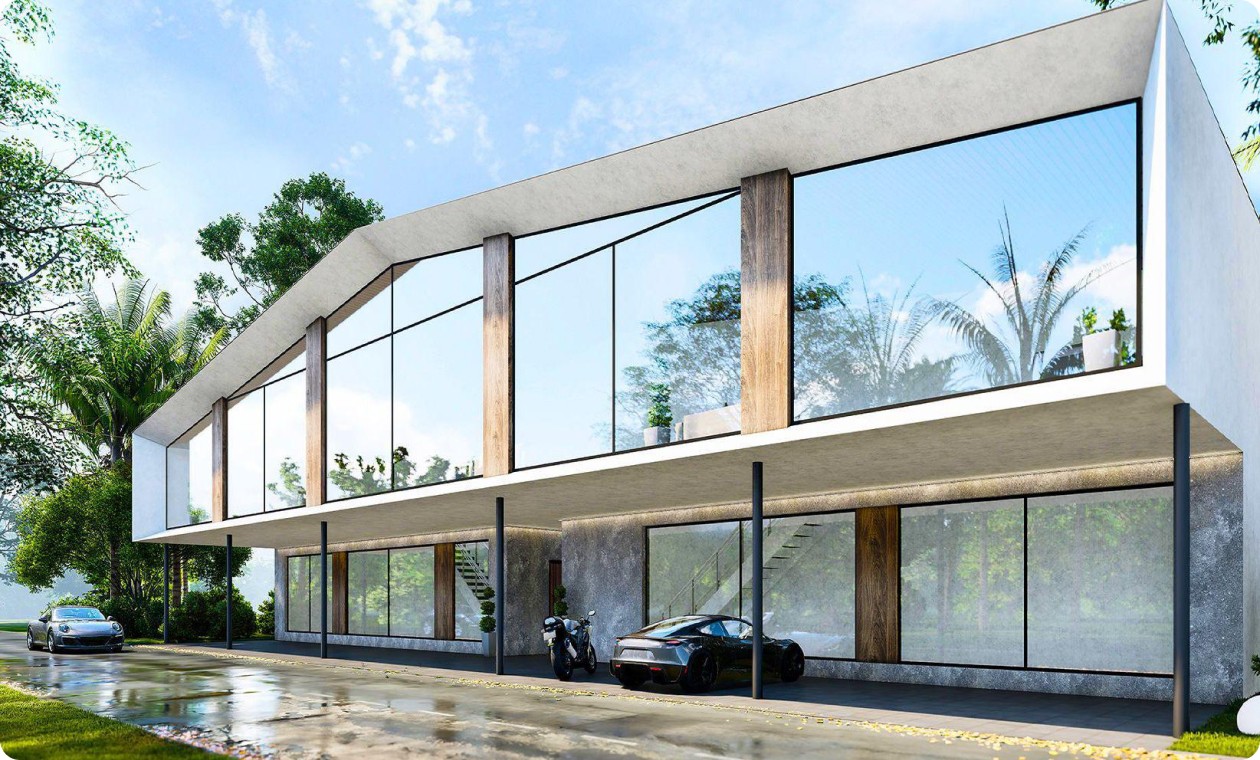
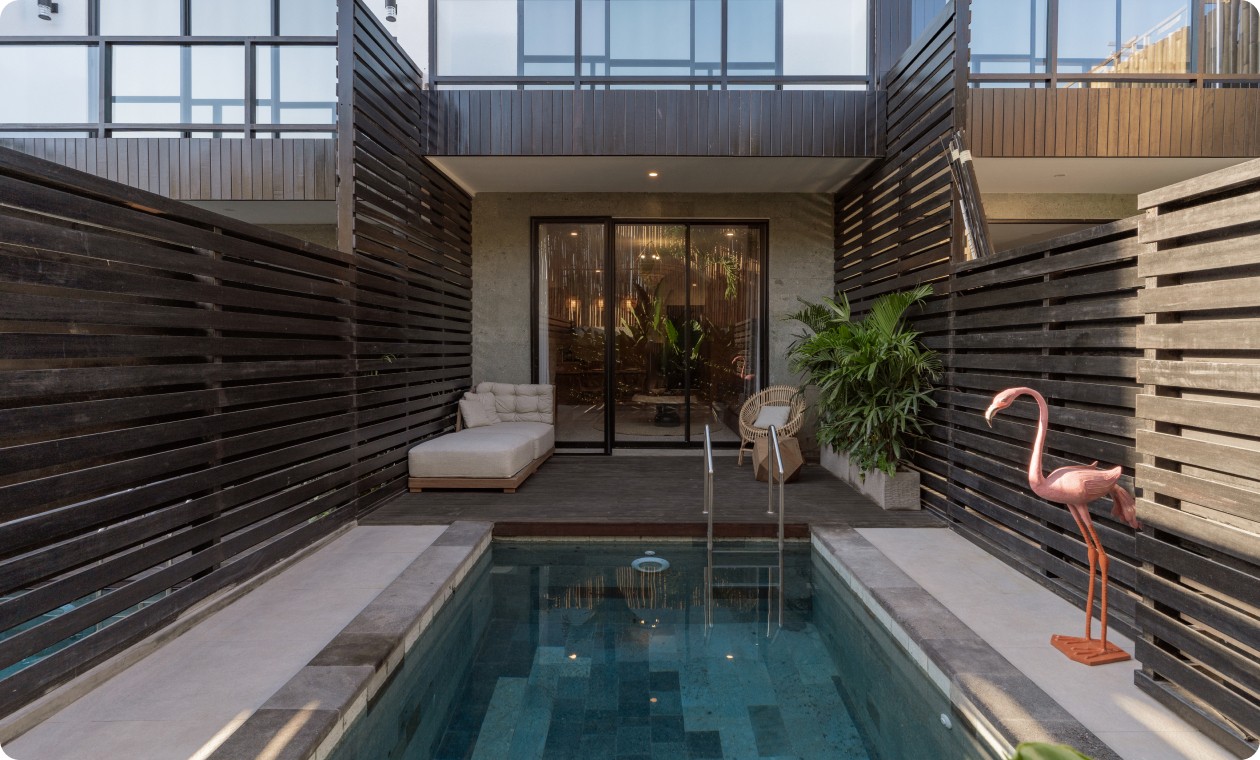
Good examples of this are destinations such as Phuket and Bali. Here, price growth is driven not only by rising construction materials or labor costs, but also by limited land supply in coastal areas. There are physically few oceanfront plots, and demand from international buyers remains strong. When supply is limited and interest is stable, prices have fundamental support.
In addition, tourist regions benefit from an additional mechanism: the infrastructure effect. New roads, airports, international schools, and commercial centers gradually increase the investment attractiveness of a location. This creates potential for value growth that may exceed the rate of inflation.
However, Asia is not homogeneous. In some countries, the market is transparent and clearly regulated, while in others, the legal environment is less stable. The legal structure of ownership, rules for foreigners, land lease terms, and document transparency directly affect the liquidity of a property. Real estate in a region with opaque property rights or an unstable regulatory framework will not be able to fulfill its capital protection function. That is why inflationary stability in Asia depends not only on the economy, but also on the quality of the legal structure of the transaction.
The currency factor as additional protection
One of the often underestimated aspects is currency diversification. By investing in real estate outside their country, investors partially reduce their dependence on the national currency and domestic economic policy.
If capital is held exclusively in one currency, its purchasing power is entirely dependent on domestic inflation and exchange rates. By purchasing a property in another jurisdiction, investors spread their risks. Even if their country experiences devaluation, the value of foreign assets in national terms may increase.
In resort regions of Asia, international demand is an additional factor. Income is generated by tourists and tenants from different countries. This means that cash flow is indirectly linked to the global economy, not just the local one. In conditions of global instability, it is precisely the diversification of assets across countries and currencies that becomes one of the key tools for protecting capital.
It is important to understand that currency protection does not mean the absence of risks. Exchange rates can fluctuate in both directions. But in a long-term strategy, the distribution of assets across different economies reduces the overall vulnerability of the portfolio.

Yield as an element of inflation compensation
Real estate differs from many “defensive” assets in that it is capable of generating a regular cash flow. Unlike gold or simply storing funds in currency, real estate generates rental income.
This is especially important in times of inflation. When prices for goods and services rise, rental rates gradually increase as well. If the property is located in an area of stable demand, the yield can be adjusted in line with the market. Thus, the owner not only preserves capital but also receives a cash flow that compensates for the depreciation of money.
In tourist regions of Asia, income is generated through a combination of short-term and long-term rentals. Expats, entrepreneurs, and remote professionals create year-round demand, while tourist traffic boosts income during peak periods. With competent management, the property can generate regular income that partially or completely offsets inflation losses.
It is the combination of value growth and rental income that makes real estate in Asia not just a defensive asset, but a tool for capital growth.
When real estate does not protect against inflation
It is important to remain realistic. Real estate is not an automatic hedge against inflation. If a property is purchased at an inflated price, is located in a weak location, or does not meet tenants’ expectations, it may not demonstrate either value growth or stable income.
Mistakes in choosing the area, project quality, or developer can negate the inflationary effect. In addition, some countries have restrictions on foreigners that affect the term of ownership, resale rights, and liquidity. If the legal structure is chosen incorrectly, the asset may be difficult to exit in the future.
Inflation protection only works with a systematic approach: market analysis, understanding demand, a transparent legal model, and calculating real returns after expenses.
Why Asia is interesting in the long term
Southeast Asia remains one of the most dynamic regions in the world. The growth of the middle class, increased domestic consumption, and the development of tourism and the digital economy are creating fundamental demand for housing. The international community continues to expand, and infrastructure is gradually improving.
In such conditions, real estate serves a dual function. On the one hand, it can offset inflation through growth in value and rental rates. On the other hand, it contributes to the overall economic development of the region. This is particularly noticeable in areas with sustained international interest and limited land supply in attractive locations.
It is precisely this long-term dynamic that makes Asian real estate interesting not only as a “refuge from inflation” but also as part of strategic capital diversification.
Real estate as a hedge against inflation can indeed work in Asia, but only with a systematic approach. It is not simply a matter of purchasing square meters, but rather an investment strategy that takes into account location, legal model, demand, and long-term trends.
In regions with a steady flow of tourists and international visitors, such as Phuket or Bali, real estate can not only preserve capital but also generate income, offsetting price increases.
Inflation devalues money. When chosen wisely, tangible assets help preserve their real value. In this sense, Asia remains one of the most interesting destinations for long-term capital diversification today.