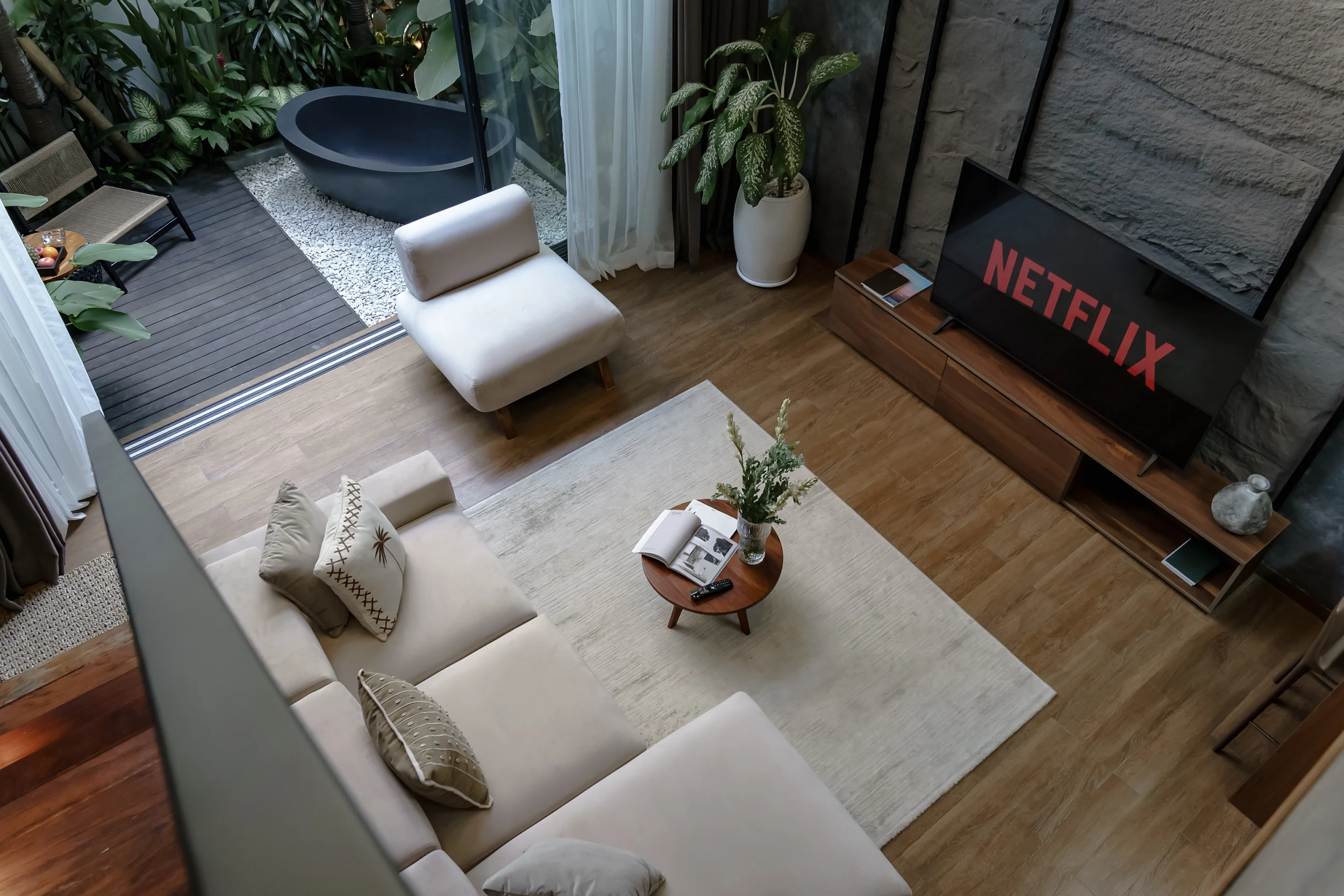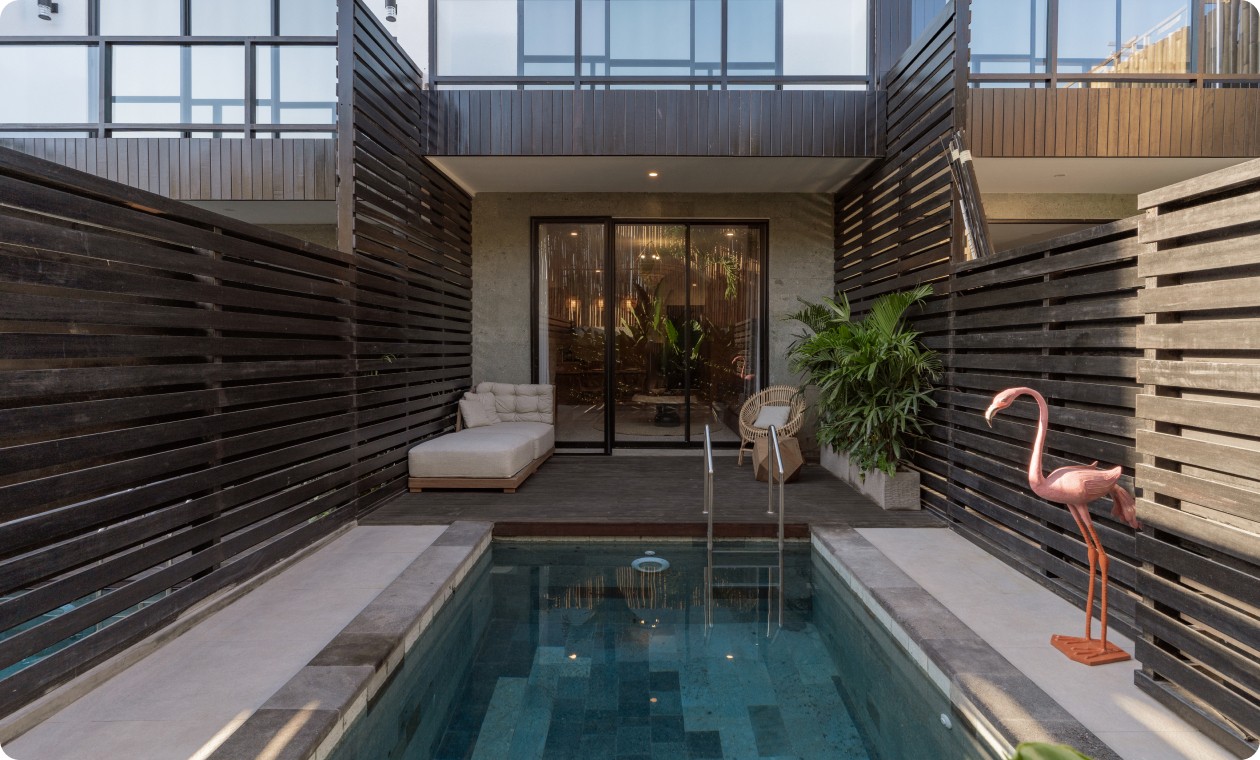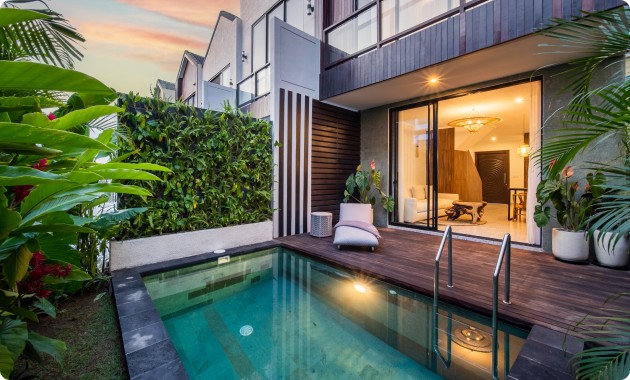

Phuket has long established itself as one of the most attractive real estate markets in Southeast Asia. The island confidently combines resort appeal, developed infrastructure, and steady demand from tourists and long-term residents. That is why the question of real estate profitability in Phuket is key for investors who view buying property as a source of passive income or a strategic asset.
However, profitability is not a fixed figure. It is influenced by a number of factors that are important to consider when choosing a property.
What is meant by real estate profitability in Phuket
Real estate profitability in Phuket consists of two main components. The first is regular rental income, which can be generated both from short-term tourist rentals and from long-term stays by expats, families, and entrepreneurs. The second is the increase in the value of the property itself over time, linked to the development of the location, infrastructure, and general interest in the island.
The most sustainable investment models in Phuket are based on a combination of these two factors, rather than on attempts to maximize short-term income.
Location as the main factor affecting profitability
The location of a property is a key parameter that primarily determines the profitability of real estate in Phuket. Even with the same budget and similar quality of housing, the difference in location can lead to fundamentally different financial results.
In practice, the most stable demand is demonstrated by areas with convenient access to beaches, developed urban infrastructure, and comfort for everyday life. This refers not only to proximity to the sea, but also to the availability of restaurants, supermarkets, international schools, medical centers, and convenient transport accessibility. Such areas are equally attractive to both tourists and long-term residents.
For example, a property located in an area with developed infrastructure and within reasonable proximity to the beach can be rented out steadily throughout the year. Even in the low season, it remains in demand due to expats and families living on the island permanently. At the same time, properties in remote or exclusively tourist locations often remain vacant outside the high season, which directly reduces annual returns.
That is why investors are increasingly choosing areas that are suitable not only for vacationing but also for living. In such locations, rental rates are less susceptible to seasonal fluctuations, and income becomes more predictable.
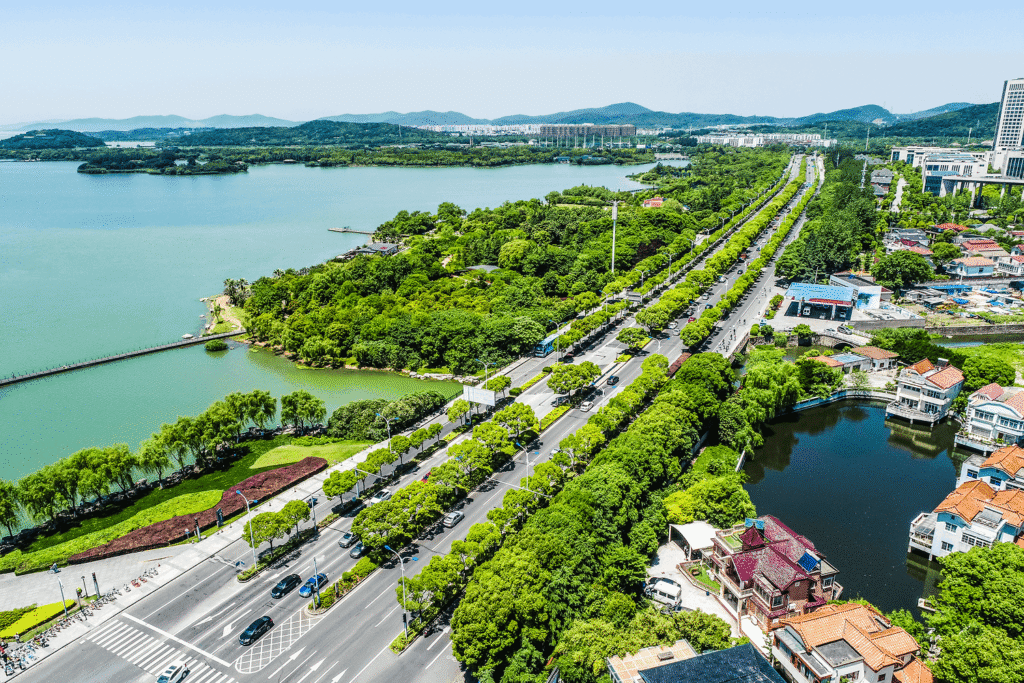
Examples of Phuket areas and their impact on profitability
- Bang Tao — long-term stable demand
Bang Tao is one of the most popular areas for investment in Phuket. It boasts wide beaches, international schools, restaurants, shopping centers, and services. The area is home to famous complexes, luxury resorts, and villas, making it attractive to both renters and permanent residents.
The advantage of Bang Tao is that it does not depend solely on seasonal tourism. Expats and families choose this area for long-term living, which means stable demand for long-term rentals. Consequently, property yields here are less prone to seasonal fluctuations, and occupancy rates are more predictable.
- Kamala — a balance between relaxation and a quiet life
Kamala is an area with a more relaxed atmosphere, suitable for tenants looking for a balance between beach holidays and comfortable living. It has access to infrastructure (cafes, shops, medical services), but at the same time, the area is not as noisy as the central tourist areas.
Investors note that residential properties in Kamala are well suited for families and long-term rentals, as well as for tourists who prefer a quieter vacation. This increases income stability and reduces the risks associated with sharp fluctuations in seasonal demand.
- Patong — high short-term returns, high seasonality
Patong is the most famous and lively resort area. It is the center of nightlife, restaurants, shops, and mass tourism. For investors, this means high potential for short-term rentals, especially during peak seasons.
However, it is important to note that such properties may be more susceptible to seasonal fluctuations. During the low season, occupancy rates may decline, and rental rates require a flexible pricing strategy. With competent management and marketing, Patong can be very profitable, but with a less active approach, profits may decline.
- Karon and Kata — family-friendly and stable demand
The Karon and Kata areas are often chosen by families, couples, and those who want a quiet vacation with developed infrastructure. These areas are attractive for long-term rentals and have a stable flow of tourists with medium and above-average budgets.
For investors, this means a more harmonious occupancy rate throughout the year than in exclusively tourist areas. Accommodation here is in stable demand both during and outside the peak season.
- Rawai — a growing area with potential
Rawai is an area in the south of the island that is actively developing and becoming increasingly attractive to investors. It already has international schools, convenient infrastructure, and a peaceful atmosphere near the ocean. Rawai is beginning to attract long-term residents, not just tourists.
The transition from a purely resort format to a mixed format (“living + rental”) makes Rawai interesting in terms of property value growth and future profitability.
Property format and rental type
The format of the property directly affects the profitability model. Apartments and villas operate under different scenarios and are targeted at different categories of tenants.
Apartments are more often chosen by tourists, couples, and short-term guests. They are easier to manage and usually have a lower entry threshold. However, high competition in this segment can put pressure on rental rates, especially in projects without a clear concept or infrastructure.
Villas, on the other hand, are aimed at a more affluent audience. They are chosen by families with children, groups of friends, entrepreneurs, and tenants who value space, privacy, and comfort. Despite the higher entry cost, villas often show more stable returns on real estate in Phuket due to longer lease terms and lower tenant turnover.
The rental format is a separate issue. Short-term rentals can generate high income during the high season, but require active management, marketing, and flexible pricing. Long-term rentals typically offer a lower percentage of return, but provide a stable cash flow and reduce operational risks.
In practice, many investors combine both formats. For example, during the high season, the property is rented out on a short-term basis, and during the low season, it is rented out on a long-term basis. This strategy allows you to smooth out seasonality and increase your overall annual return.
Project quality and infrastructure
The modern real estate market in Phuket increasingly prefers complex projects with well-thought-out infrastructure rather than individual properties. For tenants, it is not only the property itself that is important, but also the environment in which they will live.
The presence of fitness rooms, spa areas, swimming pools, coworking spaces, restaurants, security, and services significantly increases the attractiveness of a property. Such projects are easier to rent out, find tenants faster, and demonstrate higher occupancy rates throughout the year.
For example, a villa or apartment in a complex with infrastructure often wins out over a similar property without services. Tenants are willing to pay more for comfort, security, and additional amenities, especially when it comes to long-term stays.
Premium projects with a clear concept, professional management, and uniform quality standards generate more stable returns on real estate in Phuket, as they are targeted at a solvent and stable audience.
Tenant audience and demand stability
Yields depend directly on who rents the property. Tourists generate high but seasonal demand, while expats, digital nomads, and families with children ensure year-round occupancy.
In recent years, Phuket has ceased to be exclusively a tourist island. More and more people are choosing to live there for months or years at a time, which has significantly changed the rental market. There is now a steady demand for housing with convenient layouts, infrastructure, and the possibility of comfortable long-term living.
For example, a property aimed at families and expats can be rented out at a lower monthly rate than during the peak tourist season, but without standing empty at all. As a result, the annual return is often higher than for a property aimed exclusively at tourists.
Understanding your target audience is one of the key factors in a successful investment strategy.

Property management as a profit factor
Even a high-quality property in a prime location can generate low returns without professional management. Management affects not only occupancy rates, but also the property’s reputation, tenant reviews, and repeat bookings.
Working with a management company allows you to build a competent pricing strategy, optimize downtime, provide service, and relieve the owner of operational tasks. This is especially important for foreign investors who are not physically located on the island.
For example, professional management can increase actual profitability through more accurate seasonal adjustments, dynamic pricing, and high-quality service. In the long term, this directly affects the financial results and liquidity of the property.
Seasonality and its impact on profitability
Phuket is a year-round destination, but seasonality still plays a role. The high season brings peak rental rates, while in the low season it is important to maintain occupancy through flexible pricing and a focus on long-term tenants.
A well-chosen property in a versatile location can smooth out seasonal fluctuations and maintain stable returns throughout the year.
Long-term growth in property values
In addition to rental income, growth in property values remains an important element of investment appeal. The limited amount of land on the island, infrastructure development, and steady international demand support price growth for high-quality properties.
This is why many investors view real estate in Phuket not only as a source of income but also as a tool for preserving and growing capital.
Common mistakes that reduce profitability
Most often, the profitability of real estate in Phuket decreases due to the wrong choice of location, overestimation of tourist demand, or purchasing a property without a clear strategy for its use. Emotional decisions and a lack of market analysis can lead to inflated expectations and disappointment.
A professional approach and understanding of profitability factors can help you avoid these mistakes and build a sustainable investment model.
The profitability of real estate in Phuket is determined not by a single figure, but by a combination of factors. Location, property type, tenant audience, project quality, and management play a key role. It is their combination that determines whether a property will be a stable source of income or simply a beautiful but ineffective asset.
Understanding these principles allows investors to make informed decisions and consider Phuket as one of the most rational markets for investing in resort real estate.